A Touch of Beverage Cheer

two people with their feet up in front of a fire each holding a cocktail

By Hanifa Sekandi

It’s time to get cozy again. Warm blankets, knit sweaters, flannel pyjamas, and a beverage to complement the mood. Luckily, there are boundless occasions to get people into the winter cheer spirit, from Thanksgiving and Christmas to Valentine’s Day and all the other memorable holidays in between.

  This time of requires a dynamic marketing strategy. It also demands creativity and stamina due to the continuous festivities. Christmas is just on the heels of Thanksgiving, and before you know it, it’s time to paint that town red and pink for a month dedicated to love. One thing is certain: people desire to be inspired. A brand that hits this mark will see the benefits not just during the winter months but as we segue into the spring and summer months.

  The main goal for every beverage brand should be to build a community, an ethos that magnifies togetherness. What does this really mean? It means that a brand aims to meet desires; nothing less and nothing more. Stay in your domain and refrain from interjecting personal conjectures into your marketing campaigns.

  It is not about what you think or what you believe, but rather about what truly exists—the authentic qualities, unique experiences, and genuine moments that your beverage brings to the table. This “what IS” refers to the essence of your product, whether it is the comforting warmth of a seasonal whiskey or brew, the nostalgia evoked by a festive mulled wine, or the sense of togetherness fostered by sharing a winter-themed cocktail. These real and tangible attributes are what your audience will connect to, inspiring them to seek out your beverage.

  There is no better time to redeem yourself than the array of festivities that happen during the winter months. People are mostly in a festive and forgiving mood. Summer campaigns often struggle to make a significant impact, largely because there are fewer major holidays to serve as focal points for promotional activity. With limited occasions such as the likes of 4th of July or Labor Day, marketers have fewer opportunities to create themed promotions that resonate with audiences. As a result, these campaigns can sometimes lack the festive energy found in winter, making it more challenging to engage consumers and boost sales.

Marketing strategies during this time require innovative thinking and strategic planning. Luckily, in winter, brands get a break as marketing becomes easier for marketers.

  Seasoned brands understand this quite well. You’ll see them put more resources into winter marketing campaigns, with an emphasis on cheer and festivity. Starbucks’ recent Bearista Cup is an example of what a marketing campaign can do for a brand that may have lost favor or experienced a lull. Let’s be honest, the once gold-star beverage chain is no longer in its golden era. There are a multitude of reasons for this. As you can see, the Bearista Cup frenzy has breathed new life back into this brand. A campaign that had patrons line up before store opening hours just to purchase a winter-exclusive product.

  What is your winter exclusive product or beverage? What will have your customers lining up, wanting to get just a little bit of your company’s winter cheer? Is it winter magic or simply great marketing minds understanding the behaviour of buyers during this season? McDonald’s has another great winter campaign, the Grinch-themed meals. This may represent one of several winter campaign launches; nonetheless, it constitutes a strong initial effort. What is The Grinch synonymous with? Christmas. The grumpy, green-furred hero of the holiday season, who people both love and hate, but seems to put a touch of cheer in everyone.

  What is your marketing hero? You can either reference pop culture or other traditional themes that symbolize the season. Doing so allows you to draw upon familiarity and emotion. It is easy to sell something people already love. A moment, a film, a core event, anything that represents what they seek when entertaining during the winter months. As you know, home decor is the pinnacle of winter moments. The moment begins at home, influencing buying decisions as shoppers browse the aisles at their local store. How can you add to the moment?

  Help your audience capture moments. Every marketer is scouring the internet looking for what’s trendy. Why don’t you create the trend? By now, your brand should have in-house content creators, individuals who create content exclusively for your brand. For example, Advent calendars are quite popular. Have you considered doing an Advent daily reveal with mini versions of your beverage to your audience? A nice touch would be to add a familiar Christmas theme song that plays through the campaign. The 12 Days of Christmas is an excellent song. It is classic, familiar, and much-loved. Do you have an extensive product line of beverages? Better yet, what’s your holiday exclusive beverage?

  Ideally, conceptualize your winter campaigns in the summer. Right after Thanksgiving, you should debut your winter launches. Of course, you can get a head start in mid-November. Understandability influencers make influencing easy, so brands think they can just wing it and do something ad hoc. Anyone in influencer marketing will tell you that they also must plan accordingly for each season. As a brand with multiple parts to move, you need to ensure the strategy execution phase runs seamlessly. The marketing world has changed significantly. Viral moments and trends have brands scrambling at times. Did you know that many viral or trendy marketing moments didn’t just happen, they were meticulously planned, sometimes for days or other times over weeks and months?

  The most essential elements are execution and consistency. Beverages do not necessarily grab the viewers’ attention immediately. But the more they see it, with a great visual story behind it, they will not forget about it.

  Spend a little. Yes, you. Your commercial may not make it to the big screen or a Super Bowl slot, but you have other vertical options to place it in. Social media is a mini commercial friend, let’s call it the mini-commercial – it’s small but mighty. If you don’t have the paid version of YouTube or Amazon Prime, for example, you may have noticed not just ads but mini commercials.

  This could be your beverage brand showing its beverage cheer all winter. The beauty of a mini-commercial campaign is that it can be a series of videos that tell a story. It is also a fantastic way to spend your budget. If your videos are timeless and perform well, you can reuse them the following year in addition to new mini commercials, as many legacy brands often use for traditional advertising.

  When creating your mini-commercial, avoid making it look like an outright advertisement. Think about your favorite holiday ads or ads in general that are memorable. Coca-Cola has great classic holiday ads to reference that tell a story with product placement. The idea is that your product is there, but it is just part of life, part of the scene you are capturing. It is subliminal marketing at its finest. After seeing your campaign, people should feel compelled to look up your brand and product. From here, they are more likely to purchase your product when they see it, recommend it, and, in turn, become loyal customers.

  As you transition into January, this will help you stay relevant. Perhaps parody commercials that highlight New Year’s resolutions, where people reach for your non-alcoholic or low-sugar RTD beverage after imbibing on other beverages from your product line all December. A time to give that pumpkin-spiced calorie-packed ale a rest! Be creative, look at your beverage from a storytelling perspective. Just two or three useful product images aren’t enough; consider how far your brand can go with visual storytelling.

  A touch of beverage cheer may open doors to a spring campaign that is in full bloom, allowing you to dive into your marketing. Your audience will begin to anticipate what is next. And you show that you care about the product that you have invested a significant amount of time to tell a story worth listening to. You value them and their decision to join you on a beverage journey, with cheers to go around!

Holiday Spirit Inspiration

snowman man in santa hat sitting in hot tub while snowing and holding a cocktail glass

By Christiaan Röllich

The December holidays are here, and that means everyone is in the festive spirit. As the year closes out and a bright new one begins, craft breweries and distilleries have the unique opportunity to tailor their beverage menus to the holidays and to get a jump start on new 2026 trends.

  Christiaan Röllich, aka “The Bar Chef,” is particularly experienced in creating cocktails that bridge the gap — or perhaps blur the line — between the kitchen and the bar. Doing so during the holidays, or any time of year, allows guests to enjoy a taste of the season — whether in the glass or on the plate.

  “For me, it’s more than just making something that feels like a holiday cocktail,” said Röllich, who serves up incredible cocktails for Hush Public House, a neighborhood hidden gem in Scottsdale, Arizona. “Usually, I start with what’s in season — fruits, herbs and veggies that naturally fit the time of year. I also think about what people are eating and drinking around the holidays and how I can reimagine that in a cocktail.”

  He reminds cocktail creators that just because it’s cold out, it doesn’t mean the beverage menu has to be focused on aged spirits. He suggests looking for something a bit unexpected that still fits the time of year. He also finds inspiration in the kitchen and tries to incorporate the same or similar ingredients into his beverage menus, which could be done at a craft brewery or distillery as well. This not only makes for great pairings, but it also supports the use of peak produce and seasonal ingredients.

  While he enjoys using such flavors as saffron and truffles, for example, Röllich said that when working with big, rich flavors, “You don’t want one note to take over the whole drink.”

  He joked that truffles in particular “don’t play nice with everything, so you really have to think about it and how much you use them.”

  Beyond flavor, cocktails should entice the other senses as well, beginning with the eyes. Röllich enjoys the beauty, realness and vibrancy of natural colors sourced from carrots, beets and parsley that scream “please drink me.”

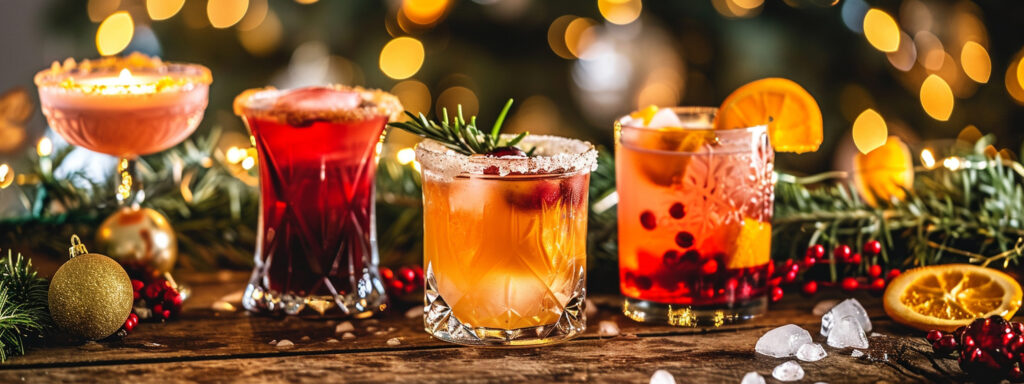
four different cocktails lined up in front of table of christmas greenery

  “You won’t need a fancy glass, because the ingredients are talking for you,” he said, but he advised: “The tricky part is that the colors and flavor fade over time.”

  Look at ways to keep the natural beauty alive without compromising the flavor or the integrity of the ingredients to ensure the last sip is as eye-catching and fresh as the first.

  Cocktail pairing menus are a popular draw for restaurants, distilleries and craft breweries, particularly during the holiday season. For Röllich, a successful pairing begins by breaking down the food menu completely… right down to basic salt and pepper.

  “Every herb, spice and ingredient that goes into the dishes matters. From there, I work backward to build the cocktails and see what bridge I can build,” he said. “When you look at pairings, there are two ways you can go. You can match the flavors that are already in the dish and go with that, or you can look at the ingredients and think about what complements it rather than repeating it.”

  Finding a balance in texture, mouthfeel and how the drink moves with the food is key to perfect pairings.

With 2026 on the horizon, many establishments in the hospitality industry, from craft breweries to distilleries, turn to the trends to entice current customers, bring in new clientele, and capitalize on what’s hot. One way to do this at the top of the year, particularly with Dry January in mind, is to offer mocktails.

  “More guests are taking breaks from alcohol or just quitting drinking altogether,” he said. “What I like about that is it pushes you to be more creative within the limits given to you.”

  Röllich believes that beyond specific ingredients and liquors, the biggest trend for 2026 will be a focus on the hospitality experience overall, with budget as a major contributing factor.

  “I think the focus will keep shifting more and more towards details and giving guests the full hospitality experience, from the moment they walk in until the moment they leave,” he said. “Trends come and go, but what really matters is how the experience you offer your guests makes them feel. Guests are also becoming more price-conscious. It’s essential to make sure what’s in the glass is thoughtful and worth it for the guest to return and feel good about our transaction.”

  Genuine hospitality, the reason many craft brewers, distilleries and restaurateurs get into the industry in the first place, never goes out of style. With more and more options out there, it’s crucial to give guests a reason to come back and to tell their friends about a specific establishment.

  This comes down to offering something they can’t get anywhere else, according to Röllich. This can be evident in the details, for example, serving Triple Sec or Cointreau…or making in-house scratch-made orange liqueur.

  “That uniqueness, the commitment to doing something extra, is what sets a bar program apart,” he said. “It sounds so much easier than it is. Commitment and execution are everything.”

  Whether serving up a festive holiday spirit this season or concocting a one-of-a-kind mocktail for Dry January to help guests maintain their New Year’s resolutions, the core of this business remains rooted in providing something special, something unique that builds a memory and creates a connection. Serving that mentality will always be met with cheers — regardless of what is in the glass.

  Christiaan Röllich began his career in the hospitality industry at the age of 15. As his passion took shape, he found himself working for Suzanne Goin at Lucques, considered the No. 1 restaurant in Los Angeles at the time. His interest in building a bridge between the kitchen and the bar grew as he spoke with farmers at local markets about fresh produce, hung out in the kitchens where he worked to engage with chefs, and reinvented cookbook recipes to make syrups and liqueurs. He is the author of “Bar Chef: Hand Crafted Cocktails,” which features 100 original recipes. His passion continues to inspire his endeavors, and he attributes his success to surrounding himself with like-minded people.

Winsome Ciderworks

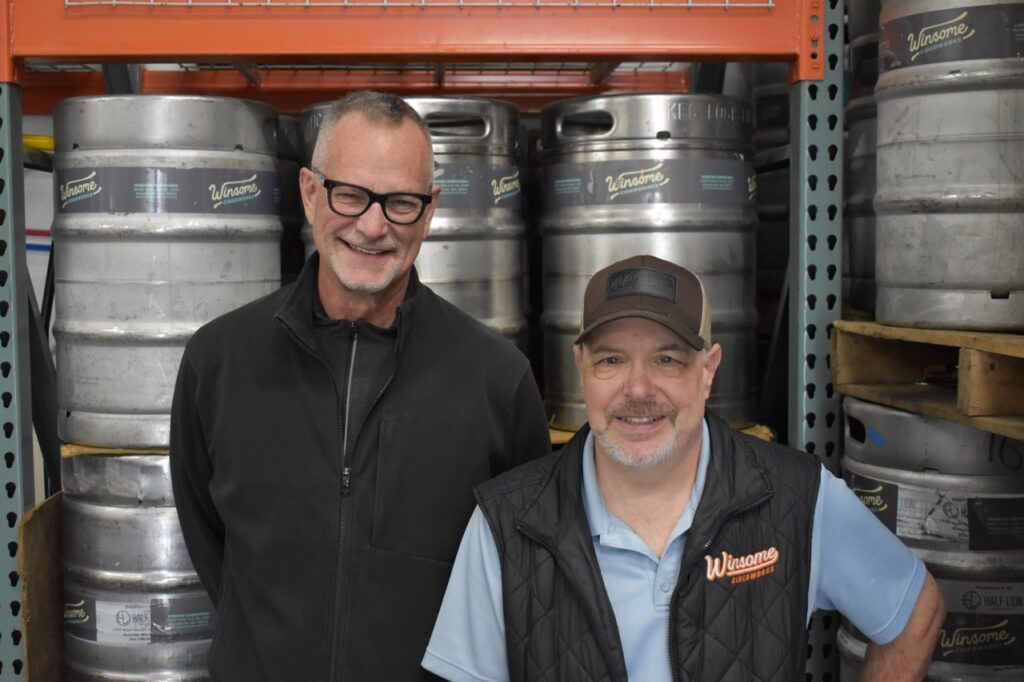
Alan MacDonald and Peter Click owners of Winsome Ciderworks

By Gerald Dlubala

Winsome Ciderworks in Woodinville, Washington, first opened its doors in 2015, but its origins date back to 2013 and beyond, when successful winemaker Leroy Bradford used his winemaking skills to experiment with hard cider production. Two years later, in 2015, Winsome Ciderworks was officially born, with Bradford taking over the former Woodinville Ciderworks site. Using only Washington state apples, Bradford introduced his customers to the nuances and unexpected flavor profiles of hard ciders. His successes ultimately led to his ciders being available in over 150 local bars and restaurants.

  Years later, those same nuances and flavor profiles caught the attention of Alan MacDonald and Peter Click, two seasoned beverage executives seeking opportunities in the alcohol industry. And while other alcohol categories were not performing well, craft hard cider was seen as a growth industry, even growing faster this year than last.

  “You know, most folks would wonder why anyone would want to get into the alcohol market now,” said MacDonald, Co-Owner with Peter Click of Winsome Ciderworks. “But craft cider is growing and trending in a positive direction. And we were confident that we had the capability to succeed in these conditions and market trends because of our previous experience in differentiating brands and bringing them to market in a way that made them stand out among other brands.”

  The two industry veterans with a combined five decades of experience in the alcohol beverage industry purchased Winsome Ciderworks, a craft cidery with deep roots in the craft wine industry, in May 2024. MacDonald and Click first met when MacDonald was hired as VP of Marketing and PR for Click Wine Group, a company that Peter started. MacDonald previously held a key leadership position at Green Mountain Cidery, leading Woodchuck Cider to become an industry leader.

  “Together we launched several brands throughout the US in partnerships that we created and designed, including the packaging,” said MacDonald. “They were very successful, giving us confidence that, with these ciders, by thoroughly understanding the consumer and the market, we can also design towards and communicate with them successfully.”

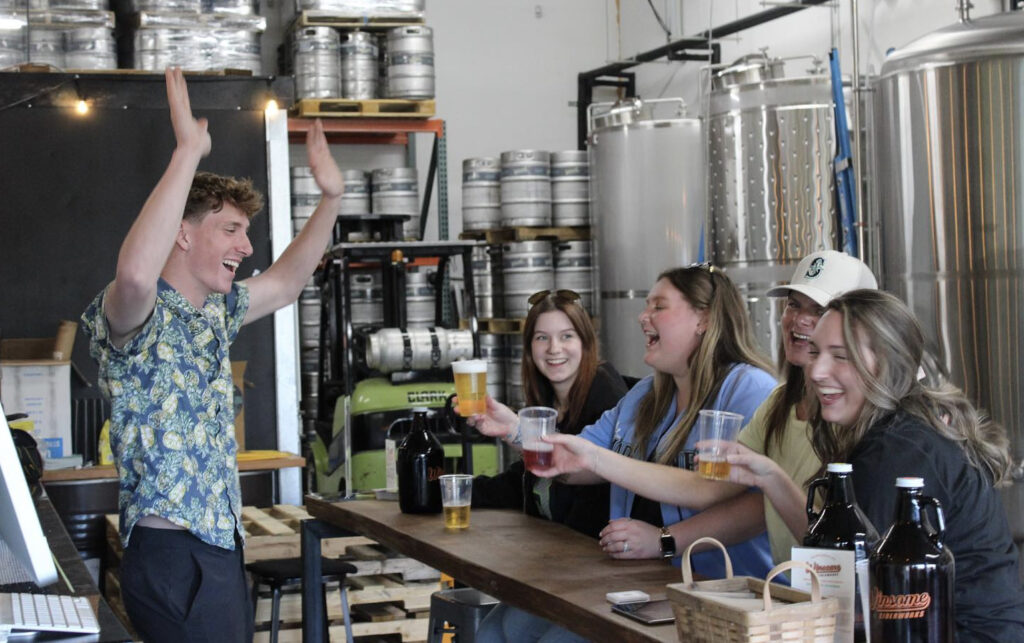
bartender at winsome cider celebrating with 4 other women holding cider glasses

    “We both have deep experience in the wine space, partnering with wine companies around the world,” said Click. “We’ve been creating and bringing brands to market and successfully commercializing them for about a decade, starting in 2000. Between the two of us, we have experience developing and differentiating brands in a marketplace in highly fragmented categories like wine.”

  “What we didn’t possess was the understanding and production of high-quality hard ciders,” said MacDonald. “We were very fortunate to have the founder of the cidery, Leroy Bradford, provide that missing skillset that we were missing. He was a previous red wine maker and made excellent ciders using his incredible recipes. He transferred everything over to us, including those recipes and all his intellectual property. He’s been extremely instrumental in the transition, enabling us to focus on what we do best.”

  Winsome Ciderworks contracts with and sources its apples from central and eastern Washington. MacDonald said they want diversity among suppliers and use different apple varieties to achieve the distinctive flavor profiles of their ciders.

  “Our flavor profile is naturally sweet while being fruit-forward,” said MacDonald. “Our ciders have no added sugar. They are not as sweet as others you may have tasted. And then we back-blend our juices into the base to get the flavor profiles we want. We generally carry our four primary flavors plus an array of small-batch, single-tank seasonals for temporary distribution and direct feedback from our guests who visit the tasting room. All of our offerings are carbonated, and we’re always experimenting with new ideas.”

  That tasting room is situated within the Winsome Ciderworks production facility, where guests can see the tanks and watch the cider-making process. Winsome Ciderworks offers its four core ciders,  including Asian Pear, Pom Cherry, Apricot Hop, and Peach Ginger, along with seasonal selections distributed on a limited-run basis.

   “Our tasting room is an authentic, pretty cool space where our guests can see the production of our ciders in real time,” said MacDonald. “It’s a great space to enjoy our ciders, but we also use two in-state distributors to get our products out to restaurants and retail spaces. We are open on weekends and for events, and available to rent for special or exclusive events.”

  Although Winsome Ciderworks was already a successful brand under Bradford’s leadership, MacDonald and Click say they have breathed new life into it.

  “The brand was successful but maybe a bit stagnant,” said MacDonald. “It was mainly available only in kegs, with only a few small canning runs. Then COVID came and literally knocked the wind out of businesses like this one that relied on on-premises business and in-house customers to stay afloat. Leroy is an exceptionally skilled cider maker, and that’s what he does best. He wasn’t as skilled at marketing his product. As most of his business was on-premises, COVID provided a real challenge to his company. Leroy’s cider was exceptional, and it still is, but it had lost all its market momentum during that time. It needed a revival  and a solid plan to reinvigorate it and bring it back to life. With our experience, contacts, and resources in the marketplace that we’ve built up over the years, that’s exactly what we planned to do.”

  MacDonald told Beverage Master Magazine that the brand relaunch included new packaging, an updated logo, and events to reintroduce themselves. We reduced the can size from 14 to 12-ounce cans to better align with the category standard.

  “It was a rebrand, complete with events,” said MacDonald. “Additionally, we both brought in our children to work in the business. Simply having the younger people here and out helping to sell and market the business with fresh ideas has really helped get us to the next level.”

  “It was a gem that lost its polish,” added Click. “Leroy succeeded in growing his cider business by developing a wonderful product with excellent recipes. We know this because everyone that each of us speaks with in the tasting room tells us they love this cider because it’s fruit-forward yet not overly sweet.”

  “We do want to increase our distribution,” said Click. “But we need to do it the right way. Cider is an interesting category, but it’s labor-intensive up front. You spend a lot of time meeting with restaurateurs, bars, pubs, taverns, etc., just trying to get your tap handle or packaged product into those locations.

  We want to start by mastering the distribution here in Washington State. Once we’re convinced we’ve done a good job of taking advantage of our opportunities and channels within our state, we can consider expanding into other NW regions, including Idaho, Montana and Oregon. We’d like to fill the Northwest region first before considering Northern California. We’re committed to doing this sustainably and not overextending ourselves because it really is an intensive selling effort.”

  “The one good thing about cider is that growth can occur quickly,” said MacDonald. “The government treats cider production in the same manner as wine production, even from a tax standpoint, but the truth is that it’s much more similar to brewing beer. We always found in the wine industry that with wine, you have to have a five-year plan. It takes longer just because of the vineyards, growing patterns, and the various aging times. But cider is something that, once we have the ingredients in-house, by the time we go from initial production through blending and filtering, carbonation, and kegging or canning, we’re looking at less than two months. Growth can occur quickly from idea to finished product because, unlike wine, we don’t have to wait for another vintage to come off our vines. If you get the right product, the right style and packaging, and consumers like it, it’s not unbelievably hard, except for the cash aspect, to expand to meet those needs, whereas wine can take a lot longer to do that.

  Once the apples are in house, crushed, and fermented, the process from the start of fermentation to finished product takes 12–14 days to make a batch of cider. That includes the days needed to get flavor profiles right and carbonate. The flexibility to adjust to the changing times and trends is always there.”

  “Cider is a very interesting, exciting, and historically significant category,” said MacDonald. “As a crafted beverage, cider has been around almost as long as anything. Throughout America, there’s always been cider around to drink, whether it’s for celebrations, health reasons, or something else. As an alcoholic beverage, hard cider has always been stable alongside beer and wine, but we love it because it allows us to quickly create unique flavors. And the consumer base for hard ciders is vast. The age of our customer base in our tasting room enjoying our ciders spans decades. You know, some alcohol drinkers seem to go through phases of drinking beer, wine, and maybe spirits, but cider has always remained consistent, and as a hard cider business owner, that consistency is nice to have.”

  To learn more about Winsome Ciderworks and what makes them unique, call, email, or visit their website or taproom.

Winsome Ciderworks

19495 144th Ave NE, STE A140

Woodinville, WA 98072

206-661-8197

alan@winsomeciderworks.com

harper@winsomeciderworks.com

Packaging with Purpose

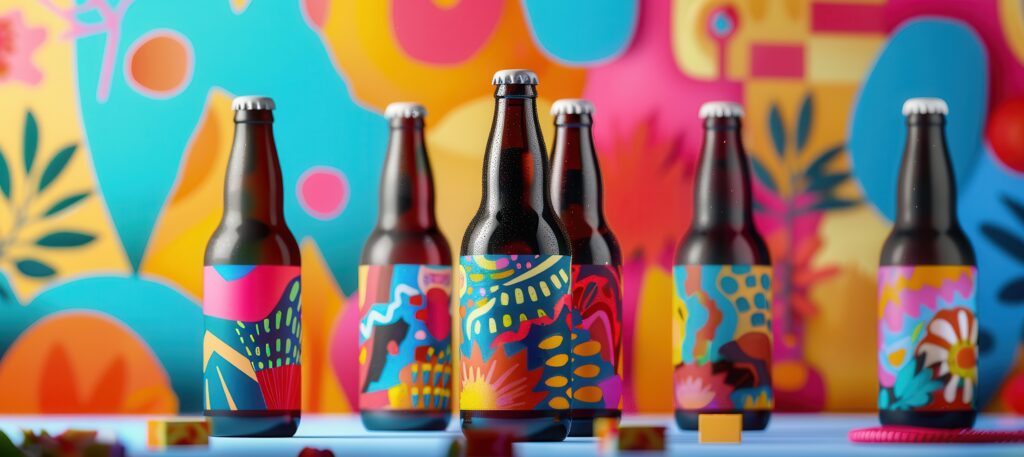
bottles of beer with very colorfull labels on a very colorful background

By Alyssa L. Ochs

In today’s competitive craft beverage market, packaging involves much more than just putting your beer or spirits into a functional container. Packaging makes a powerful statement about your brand’s story, values and commitment to the planet.

  Modern craft beverage enthusiasts are drawn to products that evoke an emotional response and that stand out among the crowd in unique ways. Consumers have also become increasingly interested in supporting brands’ sustainability endeavors centered on recyclable and biodegradable materials in a circular economy.

  To learn more about current trends in craft beverage packaging, Beverage Master Magazine connected with NEENAH, a world-class manufacturer of premium printing, packaging, label and specialty papers.

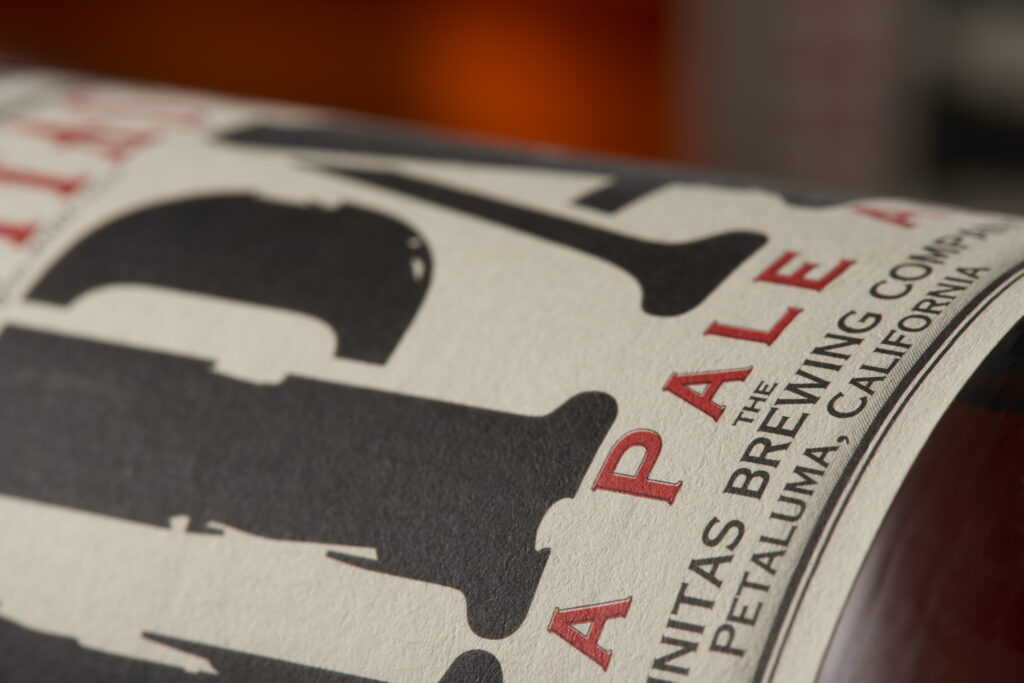
close up photo of the label on a brewing bottle

Packaging & Consumer Perceptions

  Jennifer Dietz, NEENAH’s Label & Folding Board senior product manager, explained to Beverage Master Magazine how label design can be a powerful tool in shaping consumer perception. Headquartered near Atlanta, Georgia and with multiple U.S.-based manufacturing facilities, NEENAH’s offerings include label, box wrap, folding board and more. The company focuses on elevating brands through specialty and custom packaging substrates that demonstrate their uniqueness and communicate their brand ethos.

  “Color and texture can instantly communicate brand values such as authenticity, luxury, sustainability or innovation,” Dietz said. “Uncoated labels, for example, offer a tactile, natural feel that conveys uniqueness and craft, helping products stand out from mass-produced alternatives.”

  “Since most labels are a shade of white, introducing color or texture can dramatically enhance shelf appeal,” she continued. “NEENAH Label Papers can be manufactured in a variety of colors and textures, while offering consistent quality across production runs, ensuring brand integrity is maintained from run to run.”

  Dietz also explained how secondary packaging plays a significant role in elevating brand presence.

“For spirits and premium beverages, a well-designed box can create strong shelf impact, signal quality and make the product instantly giftable,” she said. “Uncoated papers in rich, deep tones, can evoke sophistication and intrigue while offering a premium end-product with no white edges. NEENAH® Folding Board offers a collection of 13 in-stock colors, including boards made from 100% post-consumer waste and pearlized finishes, as well as other options.”

NEENAH’s Craft Beverage Label Options

  NEENAH offers three label products, all of which are made to order and customizable.

  Dietz said that NEENAH’s ESTATE Label® is the market-leading trusted brand for uncoated wet-strength labels. It is most often used for wine and is manufactured in 60-pound text weight. The standard offering includes an expansive selection of 11 colors and five distinctive finishes.

  Secondly, there’s the BELLA® Label, which is a lighter-weight label but also manufactured with wet strength, with a 47-pound text weight. This label provides an authentic, hand-crafted look that is perfect for craft beverages.

  Finally, NEENAH’s CLASSIC® Label is a premium label without wet strength, making it ideal for red wines, spirits and jar labels. This label offers a crisp, clean and elegantly uncoated solution for a variety of label and packaging needs.

  Dietz elaborated on the concept of wet strength for labels and its importance for label stock. She said wet strength is a label’s ability to maintain its integrity and adhesion in moist environments such as refrigerators, coolers or ice buckets.

  “It is a critical performance feature for products like beer and white wine, which are frequently exposed to condensation or submerged in ice,” Dietz said. “While wet strength doesn’t alter the visual appearance of the label, it plays a vital role in the manufacturing process. Specialized additives are used to ensure the label resists tearing, wrinkling, or detaching when wet, preserving both brand presentation and product durability.”

  She also shared that NEENAH’s uncoated label stocks are engineered to perform just as well as the coated alternatives.

  “NEENAH Label Papers offer exceptional dimensional stability, ensuring precise registration for intricate designs,” Dietz said. “Uncoated papers also excel with embellishments like foil stamping and embossing, which tend to pop more vividly against their uncoated surface. Additionally, they work seamlessly with die-cutting equipment, making them a versatile and reliable choice for high-impact label applications.”

Sustainability in Craft Beverage Packaging

  Like many other brands serving the craft beverage market, NEENAH offers recycled and alternative fiber products to its customers as part of its focus on reducing its environmental footprint. Beyond just labels, there are various ways that breweries and distilleries can incorporate sustainability into their product packaging.

  Craft beverage packaging must be sturdy enough to protect the products during transport and visually appealing on store shelves. However, there is also an industry push to address concerns around single-use items that require extensive resources to produce and often end up in landfills. Options like compostable six-pack rings and fiber-based carriers provide beverage producers with more choices beyond traditional plastic, allowing them to minimize pollution risks without compromising strength or aesthetics.

Planet-Friendly Packaging Options to Consider

  There are biodegradable packaging materials available for the craft beverage industry, including plant-based plastics, molded pulp and compostable films. Beverage producers can also opt for packaging materials made from recycled materials to reduce their reliance on raw resources. Examples include aluminum cans with a high recycled content, recycled glass bottles and corrugated cardboard carriers.

  In addition to choosing packaging materials made from recycled materials, you can take your commitment one step further and prioritize packaging that can be recycled after use. Many municipal recycling systems accept aluminum cans, clear glass, paperboard cartons and certain types of plastic. It’s also helpful to label your beverage packaging with straightforward recycling instructions so that consumers instantly understand how to recycle it without confusion.

  An emerging concept to grasp is the closed-loop recycling model, in which packaging is designed with a mindfulness of circularity. Refillable glass programs and returnable aluminum growlers are examples of collection initiatives that keep packaging materials in continuous use, rather than discarding them. Technology is also aiding this effort with QR codes and smart labels that track the lifecycle of packages and add a sense of accountability and transparency to consumer exchanges.

  Not only is eco-conscious packaging a practical and responsible choice, but it’s also a marketing opportunity. By advertising planet-friendly practices on your beverage labels and website, you share your sustainability values with the public. These subtle stories will resonate with many of today’s beer and spirit connoisseurs, helping them to connect with your brand on a deeper level.

Looking Ahead to the Future of Craft Beverage Packaging

  This is an exciting time in a new era of craft beverage packaging innovation, particularly as technologies continue to improve and companies strike an optimal balance between functionality and environmental responsibility. Packaging has become a platform for brand storytelling and customer engagement. Meanwhile, researchers have been exploring the potential of next-generation biodegradable materials that leave behind little or no waste. 

  There are also specific design trends emerging in the craft beverage packaging industry, such as minimalist labels, lightweight bottles and reduced ink usage. These shifts represent further movement toward eco-friendly packaging choices and connecting with consumers who would like their purchases to align with their personal values.

  Meanwhile, we expect that some policy and regulatory changes will influence craft beverage packaging in the years ahead. Some state and federal governments have already introduced or are considering stricter requirements on single-use plastics. As a result, craft beverage producers may face heightened obligations and responsibilities to reduce their landfill waste, while also being incentivized to use recycled materials during production. By anticipating and adapting to these regulatory changes early on, beverage makers can avoid compliance headaches and position themselves as industry leaders in an increasingly competitive and mindful marketplace.

  If your beverage brand is looking for more from your packaging than just safely transporting products from one place to another, innovative companies like NEENAH can help. Your packaging choices will undoubtedly influence your customers’ perception of your brand and help people understand why making beverages is your passion. Crafting a delicious beverage is just part of the story, as packaging it in a memorable and responsible way ensures that your company will have a positive and lasting impact.

“An Outlier”

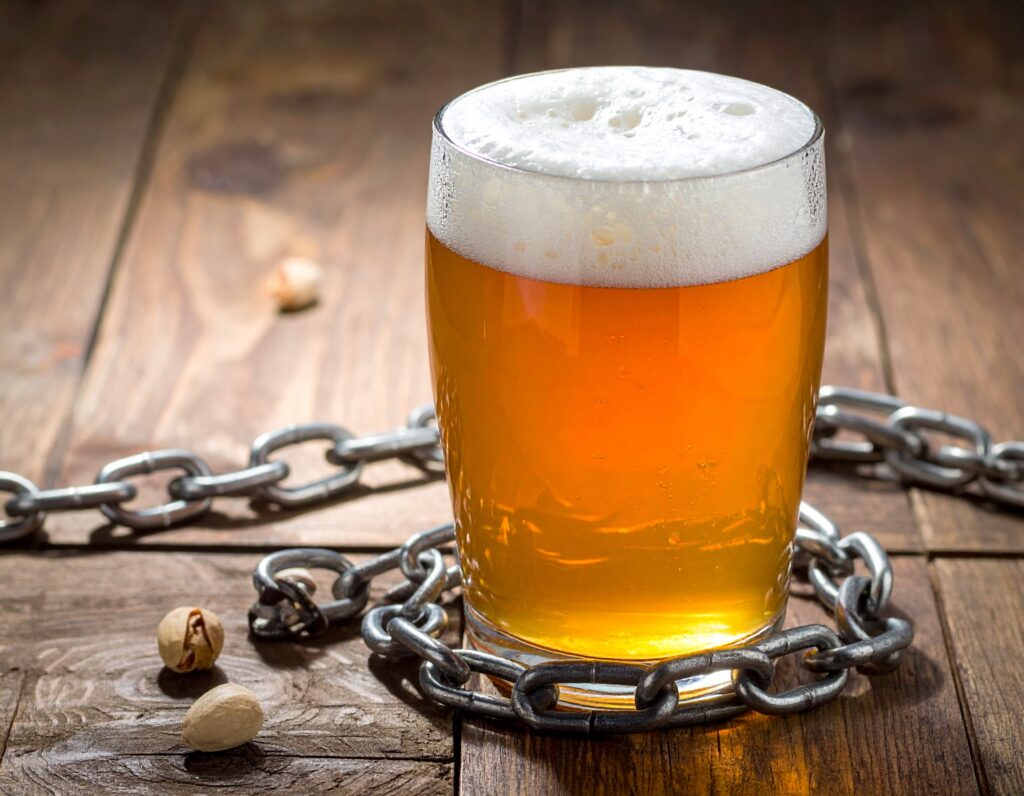
glass of beer surrounded by chains

By Ethan E. Litwin

Since the 1980s, the U.S. craft beverage industry has expanded dramatically. Breweries grew from fewer than 100 in the early 1980s to nearly 10,000 today. The U.S. spirits industry shows a similar trajectory, rising from under 100 licensed distilleries in the 1980s to over 3,000 today.  The U.S. wine industry experienced earlier momentum after the 1976 “Judgment of Paris,” yet still only had about 2,500 vineyards by the early 1980s. That number has since grown to nearly 12,000.

  Despite this remarkable expansion, most craft producers remain small.  Craft brewers typically produce under 7,500 barrels annually, while craft distilleries typically produce fewer than 250,000 proof gallons per year.  These small producers face competition from dominant incumbents: two brewers control about 65% of the market, with output exceeding 6 million barrels each, while large distilleries produce more than 8 million proof gallons annually.  U.S. vintners also generally remain small, producing fewer than 60,000 wine gallons annually, while their largest competitors produce more than 15 million wine gallons.

  One of the most consistent challenges for small-scale producers has been distribution and market access.  Simply put, making a high-quality beer, wine, or spirit is only half the battle—getting it into the hands of consumers via restaurants, bars, or retail shelves is often far more difficult.  This article outlines some of the major challenges faced by small producers and suggests some avenues on how the system may be changed, or challenged.

Regulatory Barriers to Competition

The Legacy of Prohibition: The largest obstacle for small producers is the U.S. alcohol distribution system itself. After Prohibition ended in 1933, most states adopted a “three-tier system,” which separates producers (tier one), distributors/wholesalers (tier two), and retailers (tier three). Under this structure, producers are generally prohibited from selling directly to retailers or consumers, except under limited circumstances such as on-site taprooms, tasting rooms, or, more recently, direct-to-consumer shipments in some states.

  The three-tier system artificially enhances distributors’ importance—distributors often control key customer relationships, point-of-sale marketing, and product placement decisions. The architects of the three-tier system envisioned a competitive marketplace where distributors would compete for producers’ business on the price, scope and quality of their services. State franchise laws, however, significantly restrain that competition by restricting the ability of producers (generally brewers, but often in other sectors as well) to switch distributors without proving “good cause,” a dauntingly expensive and time-consuming endeavor. These laws inevitably created a misalignment of incentives, reducing distributors’ investment in marketing new or smaller brands—the very craft producers who generally lack the ability to terminate their distributors for cause.

  Most states also impose price controls on distributors in the form of “post-and-hold” rules, which require distributors to “post” their prices with state authorities and then “hold” those prices constant for a period of time. During the hold period (typically 30-60 days), producers are prohibited from engaging in any form of price competition. Some states all for limited “meet-but-not-beat” competition, which allows for price-matching, but continues to prohibit distributors from undercutting rivals’ prices. Although most states do not directly control prices set by distributors, some states have adopted uniform pricing rules, prohibiting distributors engaging in price discrimination downstream by charging different prices for the same product to different retail outlets.

  While these rules are clearly anti-consumer in effect and in intent.  Prohibition may have ended in 1933, but concerns about alcohol remained and states actively sought to manipulate market prices to discourage the consumption of alcohol.  It is hard to think of another American industry where regulations are specifically designed to restrain price competition and increase consumer costs.

Antitrust Enforcement Failures

The Problems Caused By Distributor Consolidation:

Ironically, the three-tier system was intended to prevent market foreclosure by a dominant, vertically integrated producer, while state franchise laws were intended to protect distributors from the whims of powerful producers. But as the distribution sector has consolidated, the few remaining distributors have tended to prioritize brands with high volume, national recognition, and strong marketing budgets. A small craft brewery or distillery will struggle to get attention from distributors compared to giants like Anheuser-Busch (ABI) or Diageo.

  Another barrier is the consolidation of the wholesale industry. Over the past several decades, wine and spirits distribution has become dominated by Southern Glazer, which operates in 44 states, and Republic National Distributing Company (RNDC), which operates in 35 states.  The next largest competitor, Breakthru Beverage, operates in only 13 states. Southern Glazer and RNDC command national networks and wield enormous leverage with retailers. The situation is no better in the beer segment, where independent distributors are typically affiliated with either ABI or Molson Coors. ABI, however, is now vertically integrated in many key states and its wholly-owned distributors do not carry third-party brands other than a handful of very small local brands. Accordingly, in markets where ABI’s wholly-owned distributor is present, craft brewers are forced to deal with a monopolist—the independent affiliated with Molson Coors—to gain market access, with predicable results.

  For small producers, signing with a distributor is often seen as a milestone—but in practice, many end up buried in vast portfolios. A small distillery’s gin may compete for the same distributor’s attention against dozens of other gins, including global brands with multimillion-dollar marketing budgets. Without aggressive representation, small brands get little visibility, and sales stagnate.

Competition for Shelf and Tap Space

  Even if a distributor agrees to carry a small producer’s product, there remains the issue of limited space at the retail or restaurant level. Supermarkets and liquor stores typically allocate shelf space to brands with strong consumer demand or to those offering better promotional support. Large producers can incentivize retailers with discounts, rebates, and marketing dollars, effectively buying visibility. Small producers rarely have the financial muscle to compete. Without marketing support, distributors and retailers often deprioritize smaller brands. Even when products make it onto shelves, they may sit unnoticed among hundreds of competing SKUs. Shelf placement matters enormously—a small brewery’s seasonal IPA stuck on the bottom row may never be seen by casual shoppers.  For restaurants and bars, education is key. Servers and bartenders are more likely to recommend a product they know. Yet small producers often lack the resources to run training programs, provide free samples, or sponsor events at scale.

  Similarly, bars and restaurants often have limited tap handles, wine lists, or cocktail menus. A bar might have 20 taps, but a distributor may push them to feature a national brand lager and IPA, squeezing out smaller craft options. Wineries face the same issue with wine lists: Many restaurants lean toward recognizable labels that reassure consumers, leaving little room for lesser-known vineyards.

Consolidation in Adjacent Markets Threatens the Viability of Craft Producers

  Distribution challenges are compounded by the financial realities of small production. Craft breweries, distilleries, and vineyards typically operate with slim margins. The costs of raw materials, labor, equipment, compliance, and packaging leave little room for the kinds of marketing and promotional spending that larger competitors deploy.

  For example, the cost of aluminum beverage cans has risen sharply in recent years due to a combination of industry consolidation and trade policy. The aluminum can market has become increasingly concentrated, with just three suppliers—Ball, Crown Holdings, and Ardagh— controlling more than 80% of U.S. can production. On the raw material side, a similar pattern has emerged: Only a handful of rolling mills, led by Novelis and Constellium, dominate domestic aluminum sheet supply. In these highly concentrated markets, buyers have limited ability to negotiate price as demand for cans has surged and supply bottlenecks have emerged. At the same time, the Section 232 tariffs first imposed in 2018 added a 10% surcharge on imported aluminum, effectively lifting domestic prices as well since U.S. producers peg contracts to tariff-inclusive benchmarks. This year, the situation has become worse as tariffs have progressively increased and currently stand at 50%. Together, these dynamics have pushed can costs up by double digits over the past five years, making packaging one of the fastest-growing expenses for brewers, distillers, and vintners. While large producers with established brand presence can pass on these costs to consumers, smaller producers seeking to gain traction in a crowded marketplace may be forced to absorb a greater percentage of these costs.

Solutions

  There is no single solution to the competitive problems in the beverage industry.  First, wholesale changes to the regulatory structure governing the distribution of alcoholic beverages.  In addition to permitting self-distribution and direct-to-retail sales, the rules governing distribution should be amended to prohibit the sort of exclusive contracts that tie retailers and bars to dominant brands. Pay to play schemes, such as tap handle exclusivity and shelf space payments should be broadly prohibited.  Direct to consumer sales, widely practiced in the wine industry, should be expanded to include craft beer and spirits along the lines of recent legislative initiatives adopted in New York and elsewhere. A federal law enshrining direct of retail and direct to consumer sales would also reduce the compliance headaches created by differing regulations at the state level.

Regulatory reform, however, may not prove to be sufficient to create a truly competitive marketplace where craft producers can flourish. Even without changes to regulations, anticompetitive practices can be challenged under the antitrust laws by federal and state enforcers, as well as by private companies acting alone or as part of a class action. There are several potential grounds for antitrust enforcement. Exclusive dealing contracts that favor large producers over craft competitors (e.g., denying such producers access to shelf space, taps, or distribution) can be challenged as an illegal market foreclosure. To the extent that large producers and distributors have entered into agreements that result in the exclusion of craft competitors at the distribution or retail levels, those agreements can be challenged as illegal group boycotts. Tap handle exclusivity, shelf space payments and other pay to play schemes can similarly be challenged under the antitrust laws without any further changes to regulations. Even corporate transactions, such as the acquisition of leading craft producers by large established producers, can be challenged under the antitrust laws if the effect of those acquisitions will be to substantially foreclose distribution channels for competing craft producers, forcing them to use smaller, less efficient distributors who are typically unable to secure comparable placement at retail stores—all while increasing the costs of such distribution. Finally, antitrust enforcement in packaging and logistics markets can also help to reduce costs that are disproportionately borne by craft producers.

  These issues are not hypothetical. Following its investigation, the Federal Trade Commission, which typically takes the lead on antitrust issues affecting the spirits industry, sued Southern Glazer at the end of last year for price discrimination, alleging that the distributor was offering preferential discounts to large chains making competition from small independent retailers more difficult. For its part, the Department of Justice, has uncovered evidence that large brewers use a combination of anticompetitive practices to obtain exclusive distribution, which inhibits the ability of craft brewers to expand sales. These efforts are important, but more work must be done in order to level the playing field for craft producers.

Conclusion

Marc Farrell, the founder and CEO of Ten to One Rum, is one of the lucky ones.  Through a combination of passion and business savvy, his brand is breaking through in a meaningful way.  But Marc increasingly feels like it is becoming impossible for new brands to get to market.  The system, he notes, is set up to favor large incumbents. “The U.S.,” Marc observes, “is the most forward thinking business environment in the world.  But spirits is an outlier.”  Beholden to antiquated regulations and largely denied direct access to retail customers and consumers, craft brands are “flying blind.”  If this remarkably innovative industry is to survive long-term, systemic change is needed.

Economic Moves to Make in 2025

chess pieces sitting on a pile of $100 bills

By Raj Tulshan, Founder & Managing Partner, Loan Mantra

In today’s economy it might seem like the best action is to remain still. To take little or no financial action at all. But this can be detrimental to your business. Even though inflation and interest rates are high, there are still smart financial moves that your beverage business can make now for continued success.

  Interestingly, a Harvard Business Review article studied the specific actions of companies during recessionary periods.1 They measured the specific actions companies made during this time and the outcomes. It was found that a certain combination of decisions that company leaders made during this time made them more profitable coming out of and after the recession. The article states, “These companies acted progressively by deploying the right defensive and offensive moves to reduce costs selectively by focusing more on operational efficiency than their rivals do, even as they invested relatively comprehensively in the future by spending on marketing, R&D and new assets.” It is also interesting to note that successful companies cut operational waste versus people.

  With these factors in mind, here are some financial moves to consider:

Capital Forecasting & Expenditures

  Now is the time to forecast capital, credit and cash flow needed for the next 18 months. Consider new product development, seasonal and holiday spikes and shore up any money you will need. Consider USDA Value-Added Producer Grants (VAPG) for breweries/distilleries and state-level agribusiness/craft beverage incentives.2 Lock in long-term financing now while money and loans are readily available. Fintech platforms like those at loanmantra.com allow you to compare multiple lenders and access capital faster.

  If you need new equipment the tax incentive, or bonus depreciation rate, is better this year than in 2026. In 2026, the rate is set to decrease to 20%, before being eliminated in 2027. If you plan to make large capital expenditures, consider accelerating them to take advantage of the more favorable depreciation schedule.

Partnerships & Growth

  With many businesses struggling, establishing a partnership or acquiring another company might makes sense. As companies are forced to close, their customers will be looking for alternatives. Surprisingly, now is a great time to buy commercial real estate. Commercial real estate values are shifting where some markets are offering bargains for businesses ready to buy or lease. There may be less competition for prime locations. Less buyers also means that you have more negotiating power. And although interest rates can go down, you can always refinance the property.

Consumer Trends & Experiential Marketing

  Identify which of the most current consumer trends apply to your customer base and market based on that. According to current reports, what appeals to consumers is community-based localism and having a unique experience with a brand. An example of promoting this could be a campaign like, “Drink Local, Support Local Farms.” Or tell a farm-to-glass story that resonates with inflation-weary but community-focused buyers. Taprooms, tasting rooms, tours and events provide higher margins than wholesale. Use digital tools to build brand engagement like TikTok Reels to showcase behind the scenes brewing, mixing and bottling. Encourage User generated content of customers drinking your brand with a hashtag that you share on social media channels.

Operations & Expense Management

  Secure contracts for supply and pricing of ingredients early: hops, malt, fruit, glass can be volatile. Partner locally when and if possible. Aluminum can shortages are easing—explore canning over glass where margins allow. Eco-friendly packaging wins grants + consumer loyalty. Use part-time/seasonal labor during peak events. Upskill staff to cover multiple roles (bartender + tour guide).

Sales & Distribution

  New distribution channels are only limited by your imagination. Test the places you think would be ideal for your products’ expansion. Here are some places to start: retailers, grocery stores, specialty shops, farmers markets, events management firms and catering companies. Another alternative is providing a beer truck for hire, keg with delivery (keg on legs) or other creative service. It’s about creating additional revenue streams. And as some states allow direct to consumer (DTC) sales, more opportunities arise.3 Beer of the month and subscription boxes offer consistent sources of income coming in.

Tech & Innovation

  Look at the ways other industries are using AI and Data and learn from the good examples. For example, many businesses use AI for sales forecasting and seasonal product planning. Also look at different resources that are used by other craft brewers like: WriteCream Label Writer, BrewFather and BrewTarget, if you haven’t already explored these. And think outside the box. Many restaurants use QR codes for menus but how about using digital tip jars to streamline the taproom

experience? Or using customer relationship management systems to segment tasting room customers for targeted offers? And many brewers use sustainable business practices in the manufacturing process. Have you considered looking at grants that might apply to green technology that saves water, and energy?

  Navigating the financial landscape of 2025 requires strategic planning and a keen eye on both current trends and future opportunities. For your beverage business, this means actively engaging in capital forecasting, taking advantage of tax incentives and exploring partnerships that can drive growth. By focusing on consumer trends, such as the demand for local and unique experiences and optimizing operations with eco-friendly practices, you can position your business for success despite economic challenges.

  Leveraging new sales and distribution channels, including direct-to-consumer options and embracing tech and innovation can open additional revenue streams and improve efficiency. As you implement Remember that the key to thriving in a fluctuating economy is adaptability and a proactive approach to seizing opportunities as they arise.

  By considering these financial moves, your beverage business can not only weather the economic uncertainties of 2025 but also emerge stronger and more competitive in the market. To contact the author, visit loanmantra.com or connect at https://www.linkedin.com/in/tulshan/

Tis The Season for Fall Branding Upgrades

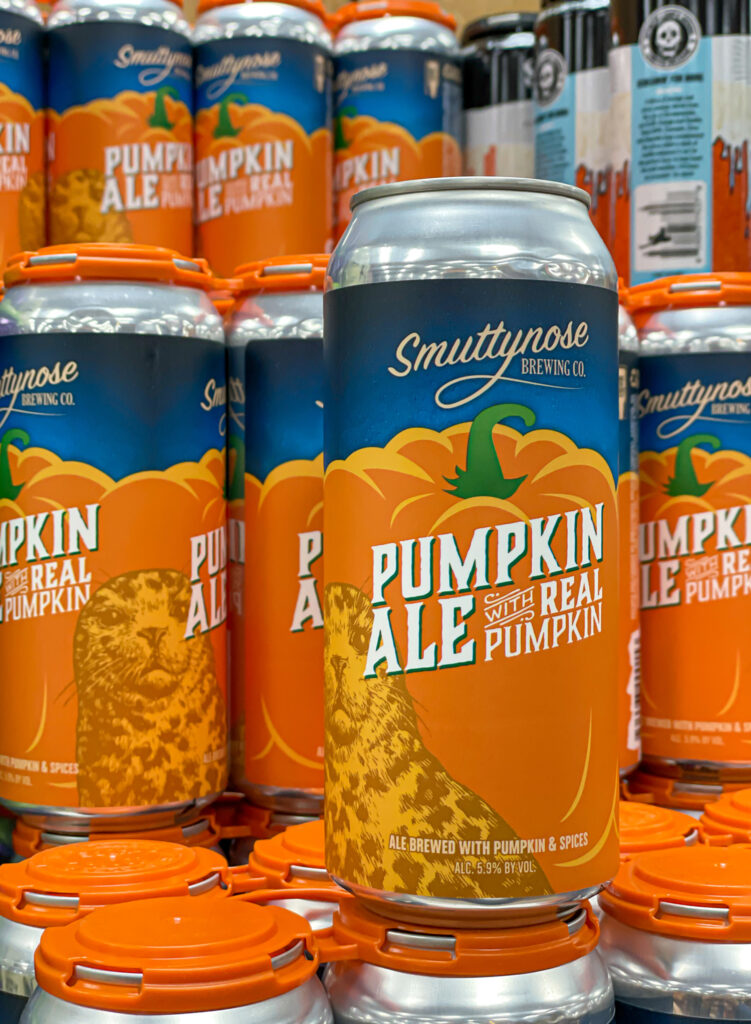
cans of pumpkin ale made with real pumpkin

By Hanifa Sekandi

Autumn represents a season of renewal and rest. A time when people are ready to slow down after the summer rush of vacations and outdoor sun activities. Many households are a lot quieter with the return to school. So, of course, beverage marketing must pivot. ‘Tis the season for a fall branding upgrade! There are many directions that a brand can go during the fall. There is also more than one opportunity to capture your audience’s attention, unlike summer. Yes, summer beverage marketing is fun, but it does not provide as many opportunities to appeal to different consumers as fall does. Some may disagree because summer fun is full of outdoor adventures, festivals, and barbecues where the drinks flow endlessly. But, beyond the typical summer beverage themes, what else is there?

  As we dive into fall marketing upgrade strategies, it is apparent why fall is a noteworthy contender for beverage sales in October and November. Basically, do not count this time of year out. Do not limit your beverage marketing budget to July, August, and December. Understandably, these months are quite favorable for beverage sales. In beverage marketing, it is important to play the long game, so every month counts. A great example of fall beverage marketing that has taken over fall is the pumpkin-spiced latte.

  When Peter Dukes, a product manager at Starbucks, pitched the idea of a pumpkin-flavored beverage inspired by the essence of autumn and the dessert associated with it, pumpkin pie. He unboxed a fall marketing and cultural phenomenon. Opportunities in marketing always present themselves; it is up to brands to be bold and seize them. Your consumer already shows you what they desire; it is up to you to read their cues and deliver. Great marketing is wrapped in nostalgia. People love comfort and familiarity. The pumpkin-spiced latte reminds people of Granny’s pumpkin pie, topped with whipped cream, a treat enjoyed in the fall and the winter months.  So, let’s upgrade!

Thematic Upgrades

  Sometimes your brand needs a theme. Start brainstorming themes that are synonymous with the fall. Think of every possible symbol or activity that comes to mind when you think of this time of year. Delve deep into your childhood memory bank. What good fall memories do you cherish? How does it make you feel? The goal is to evoke an emotional connection to your fall marketing campaign. It is about creating something familiar, more so than something outrageous or bold, as you did for summer campaigns. The summer is about a lot of noise, more action. The fall is about comfort and slowing down. Is your cider a warm, cozy beverage? What is your beverage best paired with? An apple pie-flavored cider would be a hit beverage. For those who love apple picking, warm apple pie, or warm apple cider, once the leaves develop an orange and golden hue, this would be a go-to beverage. You could create a thematic campaign, “all things apples,” that includes activities and recipes.

  When you craft your campaign around a theme, it allows you to create a story. A story that supports all your marketing verticals. This includes hosting experiential events to support your theme. Maybe you can partner with an orchard for a brand takeover. At this event, you can serve both alcoholic and non-alcoholic ciders. Beverage bands in the RTD non-alcoholic space should absolutely take advantage of this opportunity.  An event that will include fall activities like apple picking, a storefront to purchase apple pie or crumble, and merchandise that complements your theme. Some apple orchards also have a farmers’ market on site, a great way to showcase your beverage by giving samples, and where patrons can purchase it. According to the Apple Association, there are approximately 600 orchards in New York.  This is just one state! An outside-the-box idea, but a timely seasonal campaign.

  This theme can also shift to pumpkin patches and hayrides. A theme that also extends to Halloween. The use of pumpkin is already popular; it will be easy to entice pumpkin-spiced latte enthusiasts. You can target three different consumer groups with an apple-themed marketing campaign, a pumpkin campaign, or a Halloween campaign all at once.

Ambient Upgrades

  Sometimes it is all about a vibe. Think of this strategy the way an interior designer views upgrading a room in someone’s home. Or better yet, your consumer who most likely loves to shop for seasonal fall decor. How can your beverage complement their ambient upgrades, elevate their space, and add to the fall atmosphere they would like to create in their home or at a gathering? Is this a beverage that can be displayed on their table next to a delicious charcuterie board? When people walk into the store, does your beverage send cues to the buyer? Is it autumn?

  Packaging adorned with fall colors or imagery and symbols will metaphorically speak to this consumer. Sometimes, it is an unconscious symbolic cue that draws people to beverages packaged for the season. It is due to familiarity. What matches their fall decor, what would add to the moment, or enhance the experience? If they are going for cozy fall vibes, when they spot a product, even a beverage that is associated with this, it will incline people to purchase it. It is the same feeling that is evoked when people buy an apple or pumpkin-flavored coffee from the grocery store, and cookies they will store in a jar with fall artwork etched on it, purchased from a home decor store.

  Keep in mind, the product still matters. Your beverage should taste good. Quality ingredients are still the star of the show. Hopefully, your fall beverage campaign performs well, and consumers look forward to it every fall like a pumpkin-spiced latte. Imagine being the RTD of the season or the cider that people must buy as soon as September 22nd hits?

  Ambient upgrades allow you to elevate your packaging. It is a great time to be creative and add a little glitz or glamour to your branding.

Everything Upgrade

  As mentioned earlier. Your fall marketing upgrade can be all things fall. Create a storyline for your marketing campaign. Starting with apples and then segwaying to pumpkin, a bit of Halloween, and even Thanksgiving. Dub this the “ultimate beverage fall story,” a chapter of the year where your brand takes people on a fall adventure. Full of all the things that people have come to love about this time of year. From packaging upgrades to social media and out-of-home campaigns, a story that can captivate the senses and invite beverage connoisseurs to join in and add your beverage to their personal fall story.

  A call to action, asking your consumer what they love about the fall, is a great way to get engagement. Share your favourite fall moments with our beverage, a food, or a recipe that pairs well with it. An everything upgrade will keep things exciting and allow you to maintain the momentum you gain in the summer. It is also a great lead-up to winter marketing, a beautiful beverage story for your brand to write. 

Fall & Winter Drink Trends to Pour Over this Season

various sizes of glasses containing different fall colors of drinks

By Molly Cerreta Smith

Late last year, the National Restaurant Association (NRA) made its predictions for 2025’s top alcoholic beverage trends. They hit the nail on the head with “90s martinis,” particularly the espresso martini, which gained steam in 2024 and blew up in 2025, and also named hyper-local beer and wine, creative spritzes, flights, and innovative old fashioneds among its What’s Hot list for 2025.

  Early on, the organization also predicted no- and low-alcohol options for cocktails, beers and wine, not as “non-alcoholic” choices but rather when presented with the option of “with or without alcohol.” By about mid-year, the NRA added watermelon flavor to its list of standouts for 2025, noting the introduction of London Liqueur Co.’s new watermelon liqueur, which was a highlight of the National Restaurant Association’s Show 2025 in May.

  Dirty sodas and nostalgic/retro flavors for both soda and cocktails started to make their mark—with big soda brands bringing back classics and adding a variety of experiential flavors to their lineups. But now that fall and winter are on the horizon, what are consumers looking for when it comes to filling up their glass? Tait Ludwick, beverage director of Keeler Hospitality Group based in Arizona, shares some insight.

  “Savory baking spices and bold, robust flavors are definitely at the forefront,” he says, adding, “I also believe Amari will play a leading role this season. Across the country, more bars are leaning into Amaro as a way to create that deep, comforting ‘winter in a glass’ experience.”

  While keeping up with the trends and the seasons is a fun way to keep customers excited and engaged when it comes to the cocktail menu, some tried-and-true flavors are always a hit.

  For example, Ludwick says, “I always return to a few favorites that define my style. Chocolate is at the top of that list—I wish I saw it featured more often on menus. Beyond that, I gravitate toward baking spices, brown sugar, delicate fruits and spice-driven notes.”

  “This season, I’m especially excited to work with teas, particularly Asian varieties,” he says. “Their nutty, roasted qualities bring a unique depth that pairs beautifully with winter cocktails.” Asian flavors are definitely a hot trend for 2025 across the board in food and beverage. Many of the year’s popular cocktails have taken inspiration from boba tea. In addition, offering Asian teas on a beverage menu is an easy way to incorporate the aforementioned “alcoholic or non-alcoholic” option.

  While lychee has been a popular option for decades and continues to be, other Asian flavors with bold and spicy notes add more complexity to fall and winter beverages—including yuzu, ginger and baijiu. Think earthy mushroom martinis, miso-infused margaritas and Japanese highballs. Rather than sweet, these trending flavors give cocktails a savory and spicy kick that aligns well with fall and winter and complements seasonal dishes.

  When it comes to moving from summer cocktails to decidedly more fall and winter vibes, transitioning beverage menus is key to keeping customers engaged.  

  “For us, the transition feels very natural. After our first seasonal rollout, I noticed some guests still craving cocktails from the previous menu. That’s when I introduced Poppy’s Aces, a way to carry over favorites with a new seasonal twist,” says Ludwick. “We look closely at the styles our crowd gravitates toward and reinvent those with fresh, accessible flavors. For example, old fashioneds were extremely popular last year, so we transitioned into a Brown Butter Banana Old Fashioned. The rich, savory molasses notes balanced with fruity warmth gave guests that cozy, seasonal vibe, while still keeping the drink exciting and new.”

  Rather than entirely replacing a summer menu with a fall one, some transitional options can ensure customers still get a familiar version of a favorite beverage, but with a slightly seasonal twist. Doing so in small doses also ensures customers don’t feel as though they are missing their favorite beverage from a previous season.

  “We focus on developing our guests’ palates over time. We often begin with approachable flavors that appeal to snowbirds and casual drinkers, but each time they return, we introduce something new and slightly more adventurous,” Ludwick says. “It’s very much like telling a story—each visit reveals a new chapter, keeping guests curious and engaged.”

  Naturally, curiosity is a great way to entice guests and introduce them to new and seasonal flavors. Another fun way to bring the fall and winter season to life through the cocktail menu is through themes. However, there are a few essential things to keep in mind, such as the location and overall theme of the establishment itself.

  Ludwick weighs in: “I love the idea of themed menus, but I approach them with flexibility. In Arizona, we don’t get the same dramatic winter weather, so some classic ‘cold weather’ themes don’t always resonate. Instead of locking into a theme, I prefer to showcase standout cocktails for each holiday—something that feels like the biggest gift under the Christmas tree waiting just for you. When the focus is on delivering the best-tasting drinks rather than fitting a theme, you create a more memorable experience and avoid limiting creativity.”

  Theme beverages tend to work well when aligned with a specific event, such as a pairing dinner with unique themed cocktails, for example. This is an excellent way to showcase the talent of both the kitchen and the bar staff, offer unique one-of-a-kind beverages, and gauge customers’ interest in these types of events, dishes and drinks for future experiences and menus.

  And while following the trends and presenting themed beverages for a specific season, holiday or series, such as football, can be fun and innovative ways to bring customers back and appeal to different demographics, class and signature sips should never be counted out. These tried-and-true beverages should be the base of every establishment’s cocktail program and can be tailored to suit the theme of the establishment itself.

“Classics are non-negotiable—they are timeless, universally recognized and must be made true to form. When I see a Clover Club, an Old Fashioned or a Whiskey Sour, I know exactly what I should be served,” Ludwick says. “Signature cocktails, on the other hand, are about showcasing a bar’s identity. They’re the ‘house specials,’ crafted to reflect the restaurant’s unique personality. Both are essential: classics ground the menu in tradition, while signatures bring innovation and individuality.”

  When developing fall and winter cocktail menus, keep variety, seasonal flavors, holidays, events and trends in mind. While these are keen ways to keep customers coming back for more, it’s also a fun way to boost sales and attract new customers.

  In doing so, keeping true to the nature of the establishment while also offering a non-revolving menu of classic and signature beverages can ensure that customers who prefer the familiar will always feel welcome, regardless of the new sips of the season.

Make It Easy for Buyers to Say Yes

By Jake Ahles, Morel Creative

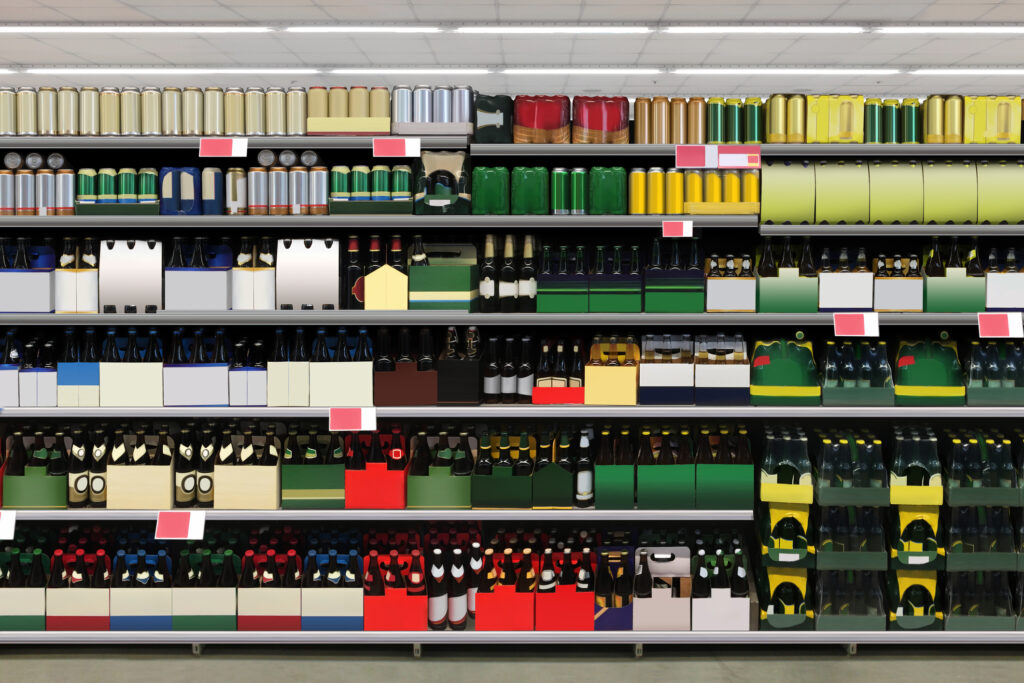
More shelf space. Faster distributor buy-in. More confident fundraising conversations. Every brand of craft beverage wants these things. In today’s saturated craft beverage market, it’s no longer enough to have an excellent product. The brands that grow are the ones that make it easy for buyers, distributors, and consumers to understand what makes them different—and why they deserve space on the shelf or a spot on the menu. Clarity sells. And if you’re not intentional about it, confusion will cost you.

The Clarity Gap

  We see it all the time. A founder has poured years into perfecting their distilling process or refining their recipes. The branding looks good, the liquid tastes great, and the team is passionate. But when it’s time to sell, the story falls apart. Here’s what usually happens:

•     Sell sheets are too busy – buyers can’t find the point.

•     Pitch decks meander too much history, not enough differentiation.

•     Reps are telling different versions of the brand story in different markets.

•     Digital presence confuses more than it converts.

The result? Buyers pass. Distributors deprioritize you. Investors hesitate. All while a competitor with half the craft—but a clearer story—wins the shelf.

What Buyers & Investors Really Want

Let’s be clear: buyers and investors aren’t against you. They’re simply busy and looking for confidence. And confidence comes from clarity. Here are the unspoken questions they’re asking:

Distributors & Trade Buyers

•     Can I sell this easily?

•     What makes this different from what’s already here?

•     Will my staff be able to explain it in 15 seconds?

•     Will consumers understand it right away?

Investors

•    Is this brand positioned to scale?

•    Can the founder explain the brand in one sentence?

•    Does the story fit the market’s trajectory?

•    Will this resonate with future buyers or acquirers?

  If your materials don’t answer these clearly and consistently, you’re creating friction. And friction kills deals.

The 3 Rules of Brand Clarity

Clarity doesn’t mean oversimplifying your story. It means structuring it so it can be told—and retold—consistently across every channel. Think of it as a sales system, not a marketing veneer.

Here are three rules to get started

1.  Master Your One-Liner:  Your story should be explainable in one sentence. The headline on your sell sheet or deck should say exactly what you do, who it’s for, and why it’s different. Not: “An artisanal experience inspired by heritage.” Better: “Botanical spirits designed for modern mixologists—zero sugar, crafted for cocktails.” If a rep, bartender, or buyer can’t repeat your one-liner, it’s too complicated.

2.  Align Your Tools:  Every tool – sell sheets, pitch decks, product videos, website copy—should tell the same story in the same language. Consistency builds confidence. Inconsistency creates doubt.

•     Keep sell sheets focused on differentiation and use cases.

•     Design pitch decks to answer: What is it? Why now? Who’s buying it? Why will it move units?

•     Use video to add emotion and memorability but keep it clear and repeatable.

3.  Build a Scalable System:  Your story shouldn’t live in the founder’s head. It should live in a repeatable system that empowers anyone—sales reps, distributors, ambassadors—to tell it confidently.

  That’s where a content ecosystem comes in: a centralized library of assets (one-liners, sheets, decks, videos, FAQs) that ensures clarity no matter who’s pitching. When the story is systemized, you can scale without losing the soul.

The Payoff of Clarity

  When your brand story is clear, here’s what happens:

More shelf space: Buyers say yes faster when they don’t have to work to understand you.

Stronger distributor confidence: Reps are more likely to push a brand that’s easy to champion.

Higher reorder velocity: Clear stories create repeatable sales momentum.

Better investor traction: Clarity signals professionalism and scalability.

Acquisition readines: Companies looking to acquire want a story that already resonates in the market.

  Clarity is more than a marketing tactic. It’s a growth strategy.

Final Thoughts: Make It Easy to Say Yes

  You’ve invested heavily in your craft. You’ve perfected your recipes, sourced the right ingredients, and built the right team. Now it’s time to invest in the clarity of your story.

  Because the truth is: the best product doesn’t always win. The clearest one does.

So, ask yourself:

•    Can my brand be explained in one sentence?

•    Do all my materials align with that story?

•    Could a distributor or investor repeat it confidently without me in the room?

  If the answer is no, you may be leaving growth on the table. Want to know how clear your brand really is?

  Take the free Market Leadership Scorecard and see where you stand.

Get Your Score Now!

Cold Chain Logistics

warehouse full of beer on pallets

By Nick Fryer, Vice President of Marketing, Sheer Logistics

Expanding into new markets is a major milestone for craft beverage producers, but it’s also when supply chain vulnerabilities tend to surface. Inconsistent storage conditions, longer transit times, and unfamiliar distribution partners can all jeopardize product quality and brand reputation.

  For today’s craft brewers, distillers, and ready-to-drink innovators, ensuring product integrity isn’t just about preserving flavor—it’s about having a cold chain strategy that can scale. From temperature-sensitive transit to final-mile delivery, success depends on reliable partners, smart planning, and the right equipment.

  In this post, we’ll break down the cold chain logistics challenges facing small and mid-sized beverage producers and explore the tools and strategies that can help them grow without compromising quality.

What “Cold Chain” Really Means for Craft Beverage Producers

  A “cold chain” is a supply chain that ensures temperature control from the moment a product is produced all the way to its final delivery. This includes any warehousing and storage, as well as transit time.

  Cold chain logistics involve the use of carefully managed refrigeration that can be adjusted to the specifics of whatever is being transported. For most craft beverage producers, 4-6 degrees Celsius has become the standard. Storing craft beer at 4 degrees has been proven to ensure flavor stability and meet food safety requirements. Anything above 6 degrees is associated with a reduction in the overall quality.

Why Craft Beverage Producers Benefit from a Cold Chain

  There’s a common saying that the minute you drive a car off the lot, it loses 10% of its value. Food and beverage products are fighting a similar battle. Every second they’re not in a controlled environment, they risk losing some of their quality and, in turn, their value.

  This is a major issue for craft beverages, which are generally less processed than their conventional counterparts. It’s what creates their unique taste profiles and keeps this industry so interesting. It’s also, however, what puts many products at risk of microbial growth and other chemical reactions that degrade the freshness and quality. The color can shift as the product is exposed to heat, as can the taste.

  Proper refrigeration and a cold chain that enforces it slows this process of degradation so that the product a brewery sends out tastes the same before and after delivery. The benefit of this is:

•     Fewer product recalls.

•     A stronger brand reputation. People feel more confident that they’ll get the same taste and quality, time and again.

•     Happier customers overall.

Spotting Temperature-Driven Quality Failures in Transit

  Experimental beers and spirits are what put American craft breweries on the map. Even with the variety that’s celebrated, there are a few common signs that something’s gone wrong.

  Here are some of the best ways to spot if temperature-related failures in transit are affecting the quality of a craft beverage:

•     Beverages appear cloudy when they shouldn’t be. This is often down to a microbial bloom that can happen with heat exposure.

•     The color of the product has changed. Oxidation is another common chemical reaction that happens when more natural brews are exposed to higher temperatures.

•     Beverages gush or are over-carbonated upon opening. This may even just show up in cans that seem to have expanded or suddenly have leaky seals. The issue comes down to fermentation, which is usually triggered by warmth. It’s something that craft beverages with live cultures in them (such as hard kombucha) have to be particularly wary of.

•   The beverage tastes different. It may suddenly be quite sour or “funky” when it shouldn’t be or develop a hop-forward profile that wasn’t there before. This can be from a combination of oxidation and microbial activity.

  If perfectly good beverages get sent out but then display the above issues upon arrival at their destination, it’s a sure sign that something’s gone wrong in transit. Another general red flag is when a product’s shelf span suddenly seems to be quite limited. That alone can point to issues in the supply chain.

From Tank to Taproom: Identifying Weak Links in Your ColdChain

The best way to identify weak links in your cold chain is to check it, step by step:

•    The Production Facility: From the minute the beverage is packaged, it needs to be in a cold room that is continually monitored and handled carefully by staff.

•     Loading Areas: Docks and staging areas should be kept cold so that as the product is moved from one environment to another, it’s kept at a controlled temperature.

•     Transportation: No matter what method of transportation is used, some method of cooling has to be involved.

•     Distributor Warehousing: Products need to be labelled to indicate that they require cold chain storage, and warehouses should be vetted to ensure they have adequate experience and capacity for that storage.

•     Bars and Retailers: The cold chain isn’t over until the drink is being poured from the tap into a waiting customer’s glass. To ensure cold storage at this final point, retailers need to be educated and informed on how best to refrigerate the product.

warehouse showing pallets full of beer boxes

Cold‑Chain Gear That Works: Trailers, Packaging, & Storage

  There are a myriad of ways to approach cold chain gear. Here’s what actually works:

•     Long-distance cold chain transportation needs refrigerated trailers with insulated side walls, proper seals, and real-time temperature monitoring.

•     Shorter or local logistics can get away with insulated vans that keep portable cooling systems and ice packs stable.

•     Reflective, foil-lined pallet covers and thermal blankets can be used to maintain low temperatures when loading or unloading in unrefrigerated areas.

•     Packaging that keeps out heat and humidity is just as important as fridges and kitted-out cold chain trucks. Even simply making sure that everything is shrink-wrapped can prevent heat buildup.

Smart Monitoring Tools: Tracking Temperature, CO₂, Humidity, & Shock

  Cold chain gear works best when it’s paired with smart monitoring tools and IoT sensors. The technology can track key variables in real time and send alerts if anything changes, so that businesses have time to intervene before quality degrades. The data collected can also be used later to further optimize the cold chain and make more energy and financially efficient decisions.

  Here are the main aspects worth tracking in a craft beverage cold chain and why:

•     Temperature: This is important no matter what kind of craft beverage you’re transporting, as any heat exposure can cause oxidation and spoilage.

•     Humidity: High humidity often leads to mold growth on packaging or the rusting of metal kegs. Anything transported long distances, especially in warmer months, should have humidity levels monitored.

•     C02: Build-up of this gas can accelerate fermentation in craft beverages and lead to bursting cans and bottles, especially if a product has active cultures in it (such as the yeast in a hazy IPA).

•     Shock: Too much shock during craft beverage transportation risks packaging and product integrity and can also damage cooling systems.

  By monitoring all of the above, especially through centralized tracking and logistics platforms, craft beverage companies can maintain a controlled environment for their products. The result is then improved quality control.

Conclusion:

Keeping It Cool from Production to Pour

  There is so much work that goes into creating craft beverages. Investing in cold chain gear, technology, and logistics strategies ensures that none of that work gets lost in transit. Instead, breweries can rest assured that they’re always putting their best product forward and, in doing so, building a brand reputation that keeps people coming back.

Nick Fryer is the Vice President of Marketing, Sheer Logistics. Nick has over a decade of experience in the logistics industry, spanning marketing, public relations, sales enablement, M&A and more at 3PLs and 4PLs including AFN Logistics, GlobalTranz, and Sheer Logistics.