Sustainability or Survival?

a wastewater treatment plan processing the waster water in a brewery

By Frances Tietje Wang

As the beverage industry moves further into an era of necessary efficiency to accommodate skyrocketing costs, wastewater management cannot be an overlooked utility function. Aging municipal infrastructure, rising treatment costs, and stricter enforcement of industrial pretreatment requirements have pushed utilities to the forefront of operational and financial concerns. Under the U.S. Environmental Protection Agency’s (EPA) National Pretreatment Program, facilities exceeding domestic-strength benchmarks for biochemical oxygen demand (BOD), total suspended solids (TSS), or allowable pH ranges may face surcharges, permit modifications, or enforcement actions.

  This regulatory pressure coincides with broader business expectations. Wastewater performance now sits at the intersection of financial risk, regulatory compliance, and sustainability reporting. As production varies and the market remains unpredictable with cost pressure and uncertainty, sewer bills continue to fluctuate, impacting overhead costs and future planning. Compliance failures can delay expansions, harm government relations, and/or require capital upgrades under compressed timelines. At the same time, water and wastewater metrics are now standard components of sustainability benchmarking and ESG (environmental, social, governance) disclosures in the brewing sector.

  As a result, wastewater investments are no longer evaluated primarily as environmental gestures. The strategic question has become whether a given project delivers measurable return on investment (ROI) and protects long-term operational viability.

Defining “Payback” in Wastewater Projects

  In beverage production, payback extends beyond a simple comparison of capital expenditure (capex) and operating expense (opex). Direct savings commonly include reduced BOD and TSS surcharges, avoiding penalties for noncompliance, and lower costs associated with chemical neutralization or off-site hauling. These kinds of savings align with municipal cost-recovery frameworks, which are embedded in federal pretreatment regulations 40 CFR Part 403, which is designed to prevent interference with publicly owned treatment works.

“Wastewater investments are no longer evaluated primarily as environmental gestures. The strategic question has become whether a given project delivers measurable return on investment (ROI) and protects long-term operational viability.”

  Indirect value is often more consequential.  Stable wastewater systems can reduce unplanned downtime, protect discharge permits, and preserve expansion capacity. In fact, research has shown that wastewater constraints frequently become limiting factors for brewery growth before brewhouse or fermentation capacity is exhausted.

  Across utility data and academic literature, payback timelines cluster by project type. Pretreatment, solids capture, and flow-equalization projects commonly can achieve ROI payback within 1 to 3 years, whereas anaerobic digestion and water reuse systems often require 3 to 7 years. These all depend on scale, incentives, and local rate structures.

High-ROI Wastewater Projects Breweries and Distilleries Are Actually Using

Solids Capture and Flow Equalization: Upstream solids capture combined with flow equalization remains one of the most reliable ROI drivers in brewery and distillery wastewater management. Methods such as screening, settling, and rotary drum filtration reduce TSS loading before wastewater reaches municipal systems. This results directly in lowering surcharge exposure and downstream treatment demand.

  Flow equalization further improves economics in smoothing short-duration load spikes associated with cleaning-in-place (CIP), yeast removal, or batch discharges. EPA guidance emphasizes that stabilizing hydraulic and organic loading often provides greater compliance benefit than adding downstream treatment capacity, particularly for batch-driven industries such as brewing and distilling (EPA, 2000).

  This approach is reflected in brewery practice, as at Sierra Nevada Brewing Co., which documents wastewater treatment and solids management as integral components of its sustainability strategy. At the facility in Mills River, North Carolina, wastewater treatment infrastructure is embedded into site design rather than treated as an afterthought.

pH Neutralization and Smart CIP Controls: pH excursions remain among the most common enforcement triggers in municipal pretreatment programs. Extreme pH changes can inhibit biological treatment and damage sewer infrastructure. By using methods such as automated pH neutralization, conductivity-based diversion, and smart CIP controls, it is possible to reduce reliance on operator intervention and lower the likelihood of violations.

  Scholarly reviews consistently describe brewery wastewater as highly variable, driven by batch operations, product losses, and cleaning cycles. The best option for managing these sources is in upstream practices, which is often more effective than relying solely on end-of-pipe corrections.  Industry guidance reinforces optimizing sanitation chemistry and discharge timing, some of the most cost-effective wastewater interventions available.

Anaerobic Digestion

(When It Makes Sense)

  Anaerobic digestion (AD) can deliver strong returns when organic loading is sufficiently high and consistent. The U.S. Department of Energy identifies beverage production as a sector with meaningful biogas potential, in particular where waste streams are concentrated and predictable.

  New Belgium Brewing is a well-documented example of anaerobic digestion. Trade engineering publications and supplier case studies describe how the brewery integrates anaerobic wastewater treatment and biogas recovery. In combining these two methods, the organic load is reduced while generating renewable energy, supporting both environmental performance and long-term cost control.

  Distilleries, which typically generate higher-strength effluent than breweries, often reach economic thresholds for AD more readily. Breweries may achieve viability at larger scales or through co-digestion strategies, but it is important to note that the literature says that AD economics depend on operational discipline, energy pricing, and access to incentives.

Water Reuse and

 Process Water

Reduction

  Water reuse strategies, such as rinse recovery or reuse for non-product-contact utilities, can reduce both freshwater intake and wastewater discharge. The EPA’s Water Reuse Action Plan emphasizes “fit-for-purpose” treatment. The Plan discusses matching reclaimed water quality to its intended application rather than defaulting to over-treatment.

  Eel River Brewing Company is an excellent example of how small breweries have implemented reuse-adjacent strategies without complete reuse systems.

  By incorporating pretreatment infrastructure to reduce municipal impact and comply with discharge permitting requirements documented in municipal engineering analyses, the brewery illustrates how wastewater investment can scale to smaller producers when aligned with operational needs.

  Economic analyses indicate that reuse projects are most viable in regions with high water and sewer rates or where discharge capacity is constrained, and when integrated into broader water-efficiency programs rather than pursued in isolation.

Grants, Incentives, and Financing: The Hidden ROI Multiplier

  Technically sound wastewater projects proceeding are often determined by grants or low-interest financing if capital costs exceed internal investment thresholds. In the United States, the Clean Water State Revolving Fund (CWSRF) remains the primary financing mechanism for wastewater infrastructure, including eligible pretreatment and reuse projects.

  Energy recovery projects may qualify for additional incentives through state or utility programs. The Database of State Incentives for Renewables & Efficiency (DSIRE) is widely used to identify applicable funding opportunities and rebates.

  Producers who successfully secure funding tend to align wastewater projects with municipal objectives, such as reducing peak loading or deferring treatment plant expansion, rather than aspirational narratives. They may also use support applications with documented monitoring data rather than aspirational sustainability narratives.

Case Study Patterns: Making the Math Work, Not Waste

  Across scholarly literature and industry documentation, three recurring patterns emerge:

1.    Breweries implement solids capture and equalization, which consistently reduce surcharge exposure by stabilizing discharge characteristics.

2.   Distilleries and large breweries integrate anaerobic digestion with energy recovery. AD can offset both wastewater and energy costs when scale and incentives align.

3.   Mid-size producers leveraging CWSRF financing and state incentives frequently offsetting 30–50% of capital costs, bringing payback into acceptable ranges.

  In layering strategies, there is an opportunity for immediate and long-term cost savings.

Wastewater

as Strategic

Infrastructure

  Wastewater management has evolved from a compliance cost into strategic infrastructure. Breweries and distilleries that invest in the fundamentals of solids capture, equalization, smart controls, and right-sized recovery systems can reduce financial volatility, strengthen regulatory standing, and preserve growth capacity. As scrutiny tightens and costs rise, wastewater planning is no longer optional sustainability branding; it is a survival strategy for an operational reality.

Resources

 Fillaudeau, L., Blanpain-Avet, P., & Daufin, G. (2006). Water, wastewater and waste management in brewing industries. Journal of Cleaner Production, 14(5), 463–471. https://doi.org/10.1016/j.jclepro.2005.01.002

Sierra Nevada Brewing Co. (n.d.-a). Sustainability. https://sierranevada.com/sustainability
Planning Your Capacity

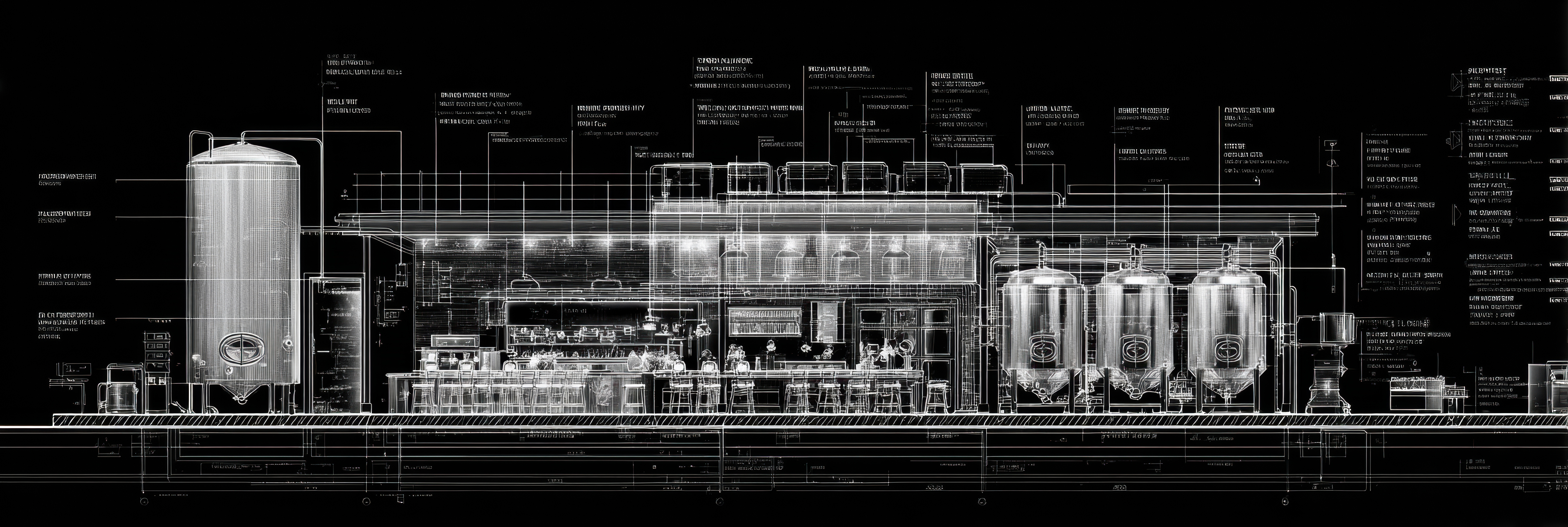
a black and silver photo showing a row of brewery tanks and components

By Erik Lars Myers

One of the biggest challenges a new brewery owner has when starting up seems like the simplest question of all: What size brewery am I starting?

There’s no fool-proof method to get this crystal ball prediction perfectly correct, but a commonsense approach can help target the outcome so that you can plan your investments wisely.

  The first decision begins with determining the size of your market. Ask yourself: Are you in a small town or a big city? Are you in a location that people can walk to, or do they have to drive? Do you have parking space? How much? How many seats do you have in your establishment? How many hours are you open? Are you distributing your product in kegs? Cans? Bottles? How many distribution customers exist within a half-hour drive of your location? How many of those will realistically put one new beer on tap?

  There are no easy answers or simple math, but going through those questions can give you the first gut check: Realistically – is this a relatively small operation serving your own neighborhood? Or are you building a manufacturing plant with plans to service a large metro area?

  When in doubt, don’t be afraid to undershoot a little. While you want to be able to make enough product to cover cost of goods, overhead and debt service, having to increase capacity because you have a high demand and great sales is a much easier – and nicer – problem to solve than having too much product or, worse, old product moving into the market because your brewing capacity and inventory outstrips demand. This is 2026, and we’re no longer in a market in which “if you brew it, they will drink.”

  However, be wary of 1- to 2-barrel operations which put a high demand on factory time without creating a reasonable amount of product. Making one barrel of beer takes roughly the same amount of work as making ten barrels of beer or thirty barrels of beer. The difference is economy of scale. For any commercial operation, even an exceedingly small one, be wary of anything smaller than five barrels.

  Once you determine your relative market demand, the first limiting factor you must consider is the size of your production floor. As a rule of thumb, the maximum yearly capacity of your brewery will equal one barrel per square foot of floor space. For example, if you have a building which – after offices, storage space, loading dock, and forklift parking – has roughly 2,000 square feet of space dedicated to your production floor (brewery, cellar, packaging), the most you’ll be able to get out of that space is approximately 2,000 barrels per year. Note! You will definitely make less than that, but over time you probably won’t squeeze out more.

  Next, it’s time to figure out the balance of system size to production space and what you’re planning to offer. If you intend to sell a couple of solid and consistent offerings in a planned distribution, you can lean towards a larger system that will allow you to make a higher volume of those few offerings while brewing less frequently. If you are planning a wide slate of varietal, seasonal beers – or less traditional beers with experimental ingredients – consider a smaller system with higher turn capacity.

  In today’s market, shooting smaller is not necessarily a bad idea. The difference between a 7-barrel brewhouse and a 15-barrel brewhouse can be measured in hours. In other words, a 7-barrel brewhouse can be used to create 15 barrels of the same beer but it will take twice as long on the brew deck to do it. On the other hand, the difference between a 15-barrel brewhouse and a 7-barrel brewhouse can be measured in days. As in, the number of days you will have stock to sell from a 15 barrel batch is twice that of a 7-barrel batch.

  Unless you are the only game in town, incredibly lucky, or exceptionally good, sales will be your largest production bottleneck.  When it comes to figuring out how many fermenters and brite tanks to purchase, and what size, start by looking back over all the other decisions and considering turn time.

  On average, a good rule of thumb is approximately 16 – 18 days between a beer being brewed and it being ready for market. That is one day in the brewhouse, 10 – 14 days in the fermenter including cold crashing, 1 – 2 days in a brite tank, and 1 – 2 days for packaging. That timeline can be extended for lagers by a few days or a few weeks.

  Can beer be produced faster than that? Without question. But as a rule of thumb, at start up, plan to take your time. Give yourself time to get it right.

  Now take a moment to revisit the idea of throughput and your market size and how quickly you might move through product.

1 barrel of beer = 31 gallons = 2 half barrel kegs = 6 sixth barrel kegs = ~240 pints.

With a 15-barrel brewhouse every batch would produce

465 gallons OR 30 half barrel kegs OR 90 sixth barrel or most realistically a combination thereof.  All that equals 3600 pints of one sole product.

  In a regular taproom setting you can expect to sell, on average, 1.5 to 2 beers per customer on a visit. In a 150-seat taproom at maximum capacity, if all the seats turn over twice per night you can expect to sell approximately 300 pints, or just over 1 barrel of beer. Over the course of any given week, in a high-volume taproom, you should aim to turn over a minimum of 1 turn of your brewhouse in a 1-week period. In other words, plan to brew at least once per week, on average, to begin with. Again – as you grow, you can always add more brew days and more fermenters.

  It is also good to remember that the numbers of beers that you offer will not correspond to a higher volume of sales, but rather it will spread those sales across a wider number of products with the largest volume concentrated on 2 – 3 beers, probably your IPAs and Pilsener (or Pilsener analog). To put this another way: if you have 6 beers on tap or 12 beers on tap, you will still sell the roughly same amount of beer per week, but all of the beers will move more slowly, with the possible exception of your fastest selling beers.

  This all means that a mix of fermenter and brite sizes can be helpful when planning capacity. A mix of fermenters that match your brewhouse size and fermenters that are double your brewhouse size is a good idea. Double-batch your high-volume beers and single-batch your slower moving offerings to manage inventory well. If something turns into a high-volume beer, you can always make more. If something is moving slowly, there’s nothing worse than having so much that it isn’t just unpopular, but also old and stale.

  If you are brewing at least once per week and have a 16-day turn on your fermenters, then you should have a minimum of 4 fermenters. However, give yourself room to get ahead of inventory and take your time with beer, or the option to make more of your high-volume beers. An easy recommendation is 4 fermenters that match your brewhouse size and 2 fermenters that are twice your brewhouse size. Thus, a startup with a 5-barrel brewhouse might start with four 5-barrel fermenters and two 10-barrel fermenters. 

  Since turn time in a brite tank is much smaller than in a fermenter, you need fewer brites. You will want one brite tank for every 3 – 4 fermenters of any give size. In this scenario, two 5-barrel brites and one 10-barrel brite would be sufficient. At a 16-day turn on each fermenter (a little under two turns per month) that gives you an initial maximum brewing capacity of approximately 700 barrels per year, depending on fermentation efficiency, work weeks, holidays, and sales. Your final volume for the year will almost certainly be less than that.

  Finally, the last piece to consider is cooperage. Kegs are one of the highest cost, highest value assets in your operation and are often overlooked. To begin with, if you are only providing beer to your own taproom and you are not using serving tanks, you need enough cooperage to hold all your volume in inventory… and then some. For every individual product you offer you will need empty kegs waiting to be filled, kegs filled with beer waiting to go on tap or be sold, kegs on tap, and empty/dirty kegs waiting to be cleaned. If you are in distribution you will need to add two more scenarios: kegs at the customer waiting to go on tap and empty kegs at the customer waiting to be picked up. You will also lose a small percentage of your kegs each year in the marketplace as they get lost or stolen.

  For each 5-barrel batch of beer, you need the equivalent volume of 20 – 30 barrels in cooperage. Half-barrel kegs (120 pints) are much more efficient but take up much more space and are clumsy to work with. They also typically sell at a lower price per pint than alternatives. Sixth-barrel kegs (40 pints), or sixtels, are much easier to work with and allow for more variety but are much less efficient on the production floor. You will probably maintain an inventory of both halves and sixtels at roughly an equivalent internal volume. For each half barrel keg, keep three sixth barrel kegs. For a 5-barrel startup brewery offering four distinct brands out of the gate, with limited distribution, starting with 100 half-barrel kegs and 300 sixth-barrel kegs would not be out of line.

  Of course, if there is a plan to do packaging in other formats (bottles or cans) that reduces the need for cooperage, so plan accordingly.  It is better to have more kegs than you need and have the luxury of cleaning them when you can – remember, each keg takes three minutes minimum on the keg washer – than to have too few kegs and not be able to package beer or brew because you are short on cooperage and have nowhere to put ready product.

  There is no perfect answer to what equipment you will need in a startup scenario – every brewery, location, taproom, and distribution model will create diverse needs, but a good examination of these points can start you off on the right foot. Breweries are expensive, particularly at initial stages, but it is worth the money to have the right assets in place rather than to spend the life of your business trying to catch up.

Have You Considered Co-packing?

a bottle of Velocity  spirits

By Kris Bohm, Distillery Now Consulting

The spirits industry is growing and this growth has enticed newcomers to enter the industry and start unique brands. Starting a new beverage alcohol business and entering the industry is challenging, to say the least. There are regulatory, financial, and technical hurdles that make starting a new alcohol beverage brand complex and challenging. Starting a new business takes an immense amount of time and more money than most people expect. Even if you spend many hours budgeting and planning to build a distillery it will likely take longer, and cost more than you thought. An aspect of a successful brand that is overlooked and underappreciated is that high-quality brands spend a great deal of energy on marketing their products. There is a faster and cheaper way to start a new brand you may not be aware of. The path to a quick start up is called co-packing. Co-packing puts the strain, stress and capital expense of production equipment on someone else and lets a new brand focus time and money on marketing and promoting the brand.This article will cover how co-packing works and weigh the pros and cons of launching with a co-packer.

  The common path we see taken to starting a new spirits company is by building a business that manages all aspects of manufacturing and sales. While managing everything from start to finish is a noble goal, it is also expensive. When you manage production, packaging, warehousing, marketing, sales, and even distribution it is easy to flounder in the complexity of such a business. For a new entrant to the industry, learning all these aspects of business and succeeding at them is a huge challenge. The faster and cheaper way to launch a new beverage alcohol business is with a co-packer. This is done by working with an existing manufacturer who will make your product for you. By outsourcing the production of your product, you can focus on the two critical aspects of a beverage alcohol business which are sales and marketing.

  Co-packing in simplified terms is outsourcing the manufacturing of your product. In a broad sense a co-packer is a group or facility that produces beverages and offers services to manufacture products for other brands that are not their own. A co-packer can be contracted to manufacture and produce your product for you. Whether you want to make bottled whiskey or  canned vodka soda, any sort of beverage alcohol can be produced by a co-packer. Co-packers can package distilled spirits, ready to drink cocktails, liqueurs or nearly anything else you can imagine.

Why spend years building a distillery when a co-packer can produce a product in months?

  There is far less capital outlay needed when working with a co-packer as you do not need to buy specialized equipment for bottling and then also learn how to operate it. By removing the capital-intensive aspects of manufacturing a product, the owners of a new brand will have more time to focus on selling their product. You can create a product and bring it to market quickly when the co-packer does the manufacturing for you. A good co-packer will help you avoid mistakes and manufacture your product ready to sell. Let’s explore the process step by step you take to bring a new brand of whiskey to the market with help from a co-packer.

12 simple steps to creating your own bottles of whiskey

•    The first step toward creating a product is to decide what you want to make.

•    Find yourself a company (co-packer) who will make the product for you

•    Talk with the co-packer to understand the constraints and limitations of their equipment

•    Select packaging that works and fits your brand and your copacker’s equipment

•    Sign a contract with your co-packer and start putting the pieces together.

•    Design the brand, logos, names, artwork, labels, and bottle selection. (have a pro help you)

•    Take a break and enjoy a tasty cocktail

•    While you are stopping for a refreshment, select the whiskey that will go in your bottle

•    Navigate federal and state approval process (your co-packer should handle this)

•    Order and secure raw materials so your co-packer can manufacture the product.

•    Co-packer will bottle and package the whiskey

•    Launch your brand.

  Just like that you have created your very own brand of whiskey that is ready for its debut. A co-packer usually has a minimum order quantity and will likely produce at least a few hundred cases of bottled spirits. When the copacker is done packaging the product you will now have several pallets of whiskey that are ready to sell. While the simple 12 steps all sound straight forward, there are many critical aspects of work underneath this list. Behind every step there are decisions, details, licenses and permits that are required prior to the product being produced. Let’s dive a bit deeper into these critical decisions and how best to work through them.

  The liquid in the bottle must taste good but more important than the whiskey is the brand itself. Creating a professional looking package takes experience and extensive design. There is much more to design than just selecting a bottle shape. You will need to create a brand with logos, label artwork, and many other design elements. Unless you have experience in branding and marketing beverage alcohol, the creation of a new brand is best managed by experienced professionals. Your product must have a polished look and feel for it to succeed. The way your product looks is the biggest opportunity you’ll get to sway consumers to consider tasting the product. If you take a moment the next time you are in your local liquor store you will likely find a few bottles that do not look professional or polished. These not-so-great looking bottles are often created when someone starts a new spirits company without design professionals on their team with alcohol branding and design experience. Hiring a professional designer is a worthwhile investment to help your brand put its best foot forward.

  There are an abundance of distilleries that will sell you their spirits in bulk that can be packaged up into your own brand. Whether it’s Tequila, Vodka, or Bourbon Whiskey, all types of spirits can be bought in bulk. There are a few licenses and permits needed to buy barrels of whiskey, but those are easy to secure with the guidance of an industry professional. Taking the time to taste a variety of spirits will guide you to find the right whiskey for your brand. It is also important to look closely at the cost of the whiskey you are considering purchasing. The whiskey cost will impact what you will charge for your bottle and how much profit you will see.

  While I believe that co-packing your first products is the smart path to launch a brand, some folks would argue that co-packing is not the best choice. Let’s weigh the pros and cons of co-packing to consider it from both angles.

  What is the good side of collaborating with a co-packer? It takes extensive time and financial resources to launch a brand. A generous amount of time and money needed for a brand to launch successfully must be allocated to marketing and sales. This is essential to get a product onto store shelves and people buying the product. Co-packing affords a new brand the chance to conserve money, time and energy that would otherwise be put into manufacturing and direct that energy into selling the product. Co-packing affords a new entrant into beverage alcohol the space and time to learn the nuances of the business with much less overhead cost. Mistakes are not cheap to make and having a co-packer oversee the production work of your product ensures that you will make less mistakes when it comes to making and packaging the product. The largest advantage of not producing your own product is that you do not have to carry the high overhead of funding and operating a manufacturing facility.

  Now it’s time to talk about the bad part of Co-packing. Plain and simple.It is expensive. Co-packers mark up the cost of their service to cover their costs of overhead, labor to, of course, make a profit. When working with a co-packing company, you pay a premium for them to manufacture your product. It will cost more per unit to produce a product with a co-packer than it would if you manufactured the product yourself. Some folks do not like working with co-packers as they find there is a lack of control. When a co-packer is making your product, you will not have direct control over every aspect of the manufacturing process. A key step to reducing the risk of quality control issues is collaborating with your co-packer to define their production standards. A good co-packer will define their quality standards in their manufacturing process and track it to make a product cleanly and correctly. One other potential downside to co-packing is the lack of a store front. Most brands launched via a co-packer do not have a tasting room or cocktail lounge to serve drinks and sell bottles. Selling products made via a co-packer will require wide distribution which has smaller margins when compared to direct-to-consumer sales.

  It can be hard to decide what is the right way to create and launch a new product. Many factors must be taken into consideration to make an informed decision. While co-packing is perfect and cost effective for some it can be a bad fit for others. A distillery consultant or person with extensive industry experience is the best way to make an informed decision on how to launch your brand. Creating a new product and selling it can be a challenging and rewarding business endeavor. Launching a product the right way and finding success will make the creation of your product much more rewarding.

  Kris Bohm is from Distillery Now Consulting. When Bohm is not helping new distilleries launch you can find him defending his beer mile record and exploring the world by bicycle.

Core Brewing & Distillation System Components

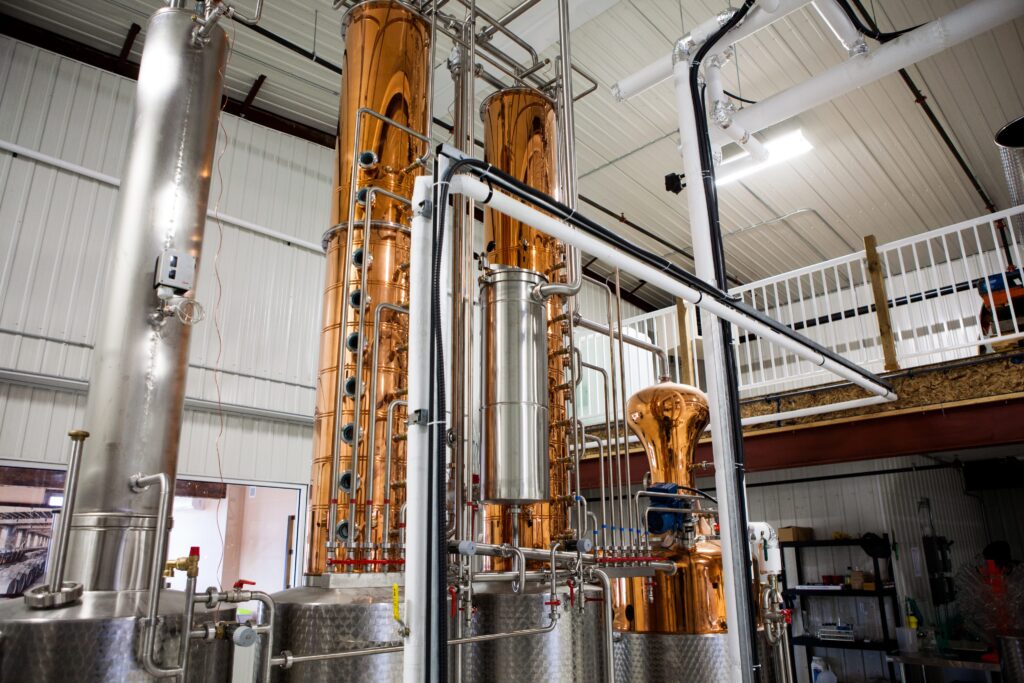
photo shows a copper still next to mash tanks in a distillery or brewery

By Gerald Dlubala

Whether you choose copper, brass, stainless steel, or another alloy, understanding the details, quirks, and ins and outs of your production systems is critical to running a successful brewery or distillery. A general understanding of the core brewing and distilling components of your craft beverage production facility leads to better-quality, consistently replicated products. That replication and consistency of a quality product help to build customer following and trust.

Core Brewing Components

•     Grain Storage Area: If the beverage producer grows its own grain, storage silos may be needed. If purchased in bulk, a designated grain storage area is required.

•     Grain Mill:  Brewers will need a milling station to mill the grain to fit the recipe required for the beer they are brewing that day. The grain is crushed and sent to the Mash Tun.

•     Mash/Lauter Tun:  Crushed grain gets mixed with hot water and allowed to rest, ensuring the starches are broken down into sugars by the natural enzymes. By controlling temperature and time, the mash and lauter tun convert grain starches into fermentable sugars, which can directly affect your beer’s final body and brewing efficiency. The resulting liquid, or wort, is separated from the mash and spent grain and pumped over to the brewing kettle.

•     Brewing Kettle:  Once the wort is pumped into the brewing kettle, it gets boiled to concentrate flavor, sterilize the liquid, and develop color. The brewing kettle stage is where the beer develops its character, bitterness, taste, and aroma profile through the addition of hops at various times and combinations. Once completed, the flavored wort is sent to a heat exchanger.

•     Heat exchanger:  The hopped wort is sent to a heat exchanger/cooler to cool and take on oxygen in preparation for delivery to the fermentation tanks.

•     Fermentation tanks:  Once in the fermentation tanks, yeast is added to start the magical fermentation process, converting the sugars in the wort mixture to alcohol and CO2.

•     Cooling and Filtration:  After the proper amount of fermentation time and the removal of excess yeast, the beer is chilled in conditioning tanks to mature before moving through the filtration system. Filtration can be minimal or multi-phase, depending on the style and desired finish or polish level the brewer is after. From here, that perfectly brewed beer is ready to be consumed and can be moved to a brite tank to await packaging.

•     Packaging System:  Depending on the choices of the brewer, the beer is ready to be packaged in bottles, cans, or kegs for distribution, retail sales, or taproom sales.

Core Distillery Components

  Distillery systems are like brewing systems in that the distiller has a choice about what the system should look like. Distillers who want to show off the production area may opt for the wow factor of large copper or brass stills, while those with production facilities out of public view may choose stainless steel to help keep costs down. Additionally, although some distillers grow their own grain, most craft distilleries do not. They purchase their grain for crushing or buy neutral grain spirits for their own use.

•     Grain Cookers:  Cookers are needed to cook the grains and turn the starches into sugar to feed the yeast.

•     Fermenters:  Fermenters are the vessels where yeast is added to ferment sugars and produce the first “distiller’s beer” before it heads to the still. The type of still is the distiller’s choice.

•     Pot Still: The pot still is a single large kettle-shaped vessel in which the fermented liquid, or “wash,” is heated. It is the original method of distilling. Pot stills can be customized for optimal performance in distilleries ranging from small craft operations to larger commercial producers.

•     Continuous Column Still: Distilling using a column still can speed up the distillation process. The wash is continuously injected into the column with rising steam, stripping the alcohol, and leaving the undesired, or bad, compounds behind. Column stills require less cleaning while allowing more columns to be added when needed. Repeated distillation in column stills yields more neutral, higher-ABV spirits than pot stilling. Additionally, column stills can offer greater control and consistency in high-volume production facilities.

•     Hybrid Still:  Hybrid stills combine the best qualities of both pot and column stills into a single unit, used for distilling all spirits.

Needs Versus Wants

  Rick Morris is the Owner and President of Brewhaus Distilling Experts in Keller, Texas. Brewhaus is the oldest manufacturer of small-scale distilling equipment and supplies in North America. They manufacture, cut, weld, and test all their systems in-house.

  While Morris hasn’t seen any significant trends in systems over the past 10-15 years, he has some thoughts on systems and what commercial distillers should consider before buying or updating their core production equipment.

  “Multiple smaller systems can be better,” said Morris. “Depending on what a distiller wants to do, I’ve had startups with as little as a one-gallon pot still and then added another and another until they had about eight of them lined up. It’s one way to keep costs down at startup. In general, it can be beneficial to use a couple of smaller systems rather than one large one. Yeah, you’re monitoring two systems instead of one, but redundancy isn’t a bad thing when you consider downtime. If one system breaks or needs to be down for cleaning, you’re not down, just reduced, and that can be huge for a small craft distiller.”

  “We’ve also had distillers use 55- or 85-gallon drums and put multi heads on them”, said Morris. “They cap the heads they don’t need, and as capacity increases, they open those heads up for use. If they only want to use two heads to start, we can set it up for four and cap two. It allows a distiller to scale up when needed. You don’t want to jump into a quarter-million setup on startup if you can avoid it, especially as volatile as the liquor market is right now.”

  Morris says that budget and space requirements always factor in which system components a distiller chooses. “A larger system means more warehouse space,” said Morris. “Typically, the systems we provide craft distillers are basic and not as computerized as larger systems. That means less breaking down. But if, say, a heater goes out, that’s where the idea of two smaller systems can help. Reduced capacity over complete downtime is huge for a small producer.”

a copper still in a distillery

  Morris tells Beverage Master Magazine that frequently potential distillers get caught up in seeing those massive, beautiful copper Vendome systems that run a quarter- to half-million dollars and become obsessed with them. When he sits down and looks at their needs, he can often put together a system for them for under ten thousand dollars.

  “We all like to drool over the copper eye candy, but what is needed is usually not aligned with that vision,” said Morris. “If that money is truly in their budget, that’s great, and they can save the money for when growth occurs. Just don’t jump into the deep end immediately because it looks great behind the tasting room glass. You can buy a 4-inch copper system with copper plates, or a 4-inch stainless column with copper plates, and they will do the exact same thing, function the exact same way, and produce the exact same quality product because you have the same copper in both systems. But wanting everything in copper will be 60-70% more expensive. If you have copper in the vapor path, you are good with either system.”

  Morris says he hasn’t seen a meaningful change in system choice, but they are being tailored specifically to the distillery’s projected needs. “It’s a way to keep costs down upfront,” said Morris. “Is this a full-time distillery or weekends only? How many hours of running time will the system be in use? Get the system you need and maybe get a little larger kettle upfront. That’s a small expense, and you can set it up for a couple of 3-inch systems. Then, scaling up may be as easy as replacing those columns with 4-inch systems. You’re replacing the column but not needing to replace the entire system. Choices like that enable cheaper scaling later. The initial smaller columns can be tuned a little more for smaller volumes, while the larger columns don’t manage smaller volumes as well.”

The Future: More Fads Rather Than Trends

  Morris says that rather than trends, they notice little fads that come and go. Trying to speed up the aging process is a big one because of the cost involved.

  “The product sits in barrels for so long,” said Morris. “You’ve got the barrel cost, the product cost, and the warehouse storage space cost, along with the extended length of time involved. There’s been a lot of movement and potential technology over the years trying to speed up that process. We see things spike as the next wonderful thing, and then six months later, they’re gone. All the different flavor profiling is big as well. The NA market is increasing, but that doesn’t change the distilling process. It’s the same process, separating the bads from the goods.”

  Morris said that the type of brewing or distillation system a craft beverage producer really needs depends on the quantity and type of products being produced, as well as the owners’ future production and expansion plans. The Brewhaus team encourages makers to adopt a system that, instead of being replaced, can be adapted for a fraction of the cost when needed for volume or product expansion.

Bar vs. Restaurant: The Difference is in the Details

photo of Still  Barrel bourbon bar in phoenix az

By Eric Butrull, Knife and Fork Media Group

Across the country, the hospitality industry continues to be a major economic powerhouse. As 2025 came to a close, the National Restaurant Association reported that restaurants alone added 150,000 jobs in 2025, and eating and drinking places added a net 27,200 in December (on a seasonally-adjusted basis, per the Bureau of Labor Statistics).

  Most hospitality personnel — from owners to staff — know that operating a business in this industry is not for the faint of heart. Whether a bar, brewery or distillery, the hours can be long, fast-paced, stressful and exhausting. However, owning and operating a bar or restaurant can also be extremely fulfilling and rewarding.

  Repeat customers of these types of establishments are often extremely loyal, finding solace and a “home away from home” at their favorite neighborhood bar or brewery. But there are some rather distinct differences in owning and operating a food service establishment and a bar, brewery or distillery, where liquor is the focus of sales.

  Dennis Shaw, owner of Phoenix City Grille, a successful restaurant in Phoenix, Arizona, since 1997, and co-founder of the soon-to-be-opened Still & Barrel bourbon bar in Phoenix, Arizona, offers some insight, based on his more than four decades in the hospitality industry, working across restaurant and bar operations, in leadership and ownership positions.

  “A liquor-focused bar is much more about curation, education and experience than volume. With a restaurant, food drives the visit; with a bourbon bar, the spirit selection and the story behind it are the draw,” said Shaw. “Inventory management is more complex, pricing strategy is critical and staff knowledge has to go much deeper. Every bottle has a purpose, and every pour should feel intentional.” Intention is key in any business, of course. However, Shaw notes that when it comes to bar businesses in particular, patience and relationships matter more than anything.

  “Whether it’s securing rare bottles, navigating licensing or building the right team, nothing happens overnight,” he said. “I’ve also learned that guests today want authenticity — they want to know why a bottle is on the shelf and what makes it special.”

  Still & Barrel’s General Manager Cliff Cragg, who has been in the hospitality industry for more than 20 years, echoed those sentiments.

  When it comes to his takeaway while building Still & Barrel, he said: “I have learned that patience and relationships matter more than speed. Building a strong spirits program takes time, trust and consistency. There are no shortcuts.”

  Prior to helping open Still & Barrel, Cragg previously operated a concept where he built the whiskey program from the ground up, which was recognized as one of the top whiskey programs in the United States by the time he left. Over the last few years, he has focused on building and managing spirits-forward beverage programs, barrel selections, and restaurant and bar operations.

  One crucial factor to keep in mind is that today’s customers are knowledgeable and yet thirsty for more. Rather than simply ordering a fine spirit or rare wine, customers want to feel connected — to the establishment, to their experience and to the spirit itself. Providing them with knowledge or history about what the bottle holds can provide value for guests beyond what’s in the glass.

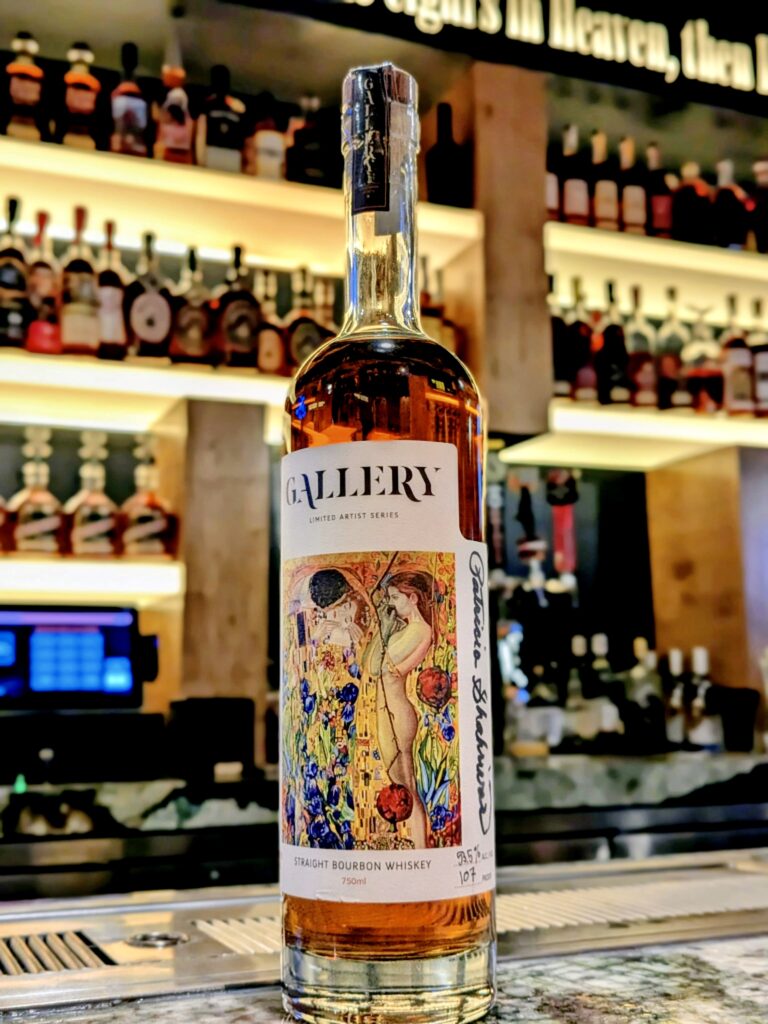
bottle of straight bourbon whiskey from Gallery

  When opening a bar in today’s market, Cragg emphasized the importance of having a clear vision from the start — and remaining disciplined.

  “Understand your costs and invest in your staff,” he said. “A great bottle does not mean much if the service and execution are not there.”

  Knapp followed that advice up with his own: “Educate yourself relentlessly, invest in your staff’s knowledge and understand your market before you buy a single bottle. And be prepared: capital requirements, licensing timelines and inventory costs are often underestimated.”

It is of the utmost importance to ensure proper liquor licensing and air-tight insurance policies. Most knowledgeable, highly credible insurance brokers will advise bar and restaurant owners to work closely with an agent that is well-versed specifically in the language, the inclusions and more importantly, the exclusions that are often written into policies for establishments that serve alcohol.

  One of the key differences that surprised Knapp during the process of opening Still & Barrel is how complex and restrictive liquor licensing and insurance can be, especially when dealing with high-value inventory.

  “People are also surprised by how much capital is tied up on the shelves,” he said. “Some bottles sit for months or years, but they’re essential to the identity of the bar.”

  Knapp encourages new bar owners not to chase trends but rather build a point of view. Upon developing the concept and the inventory for Still & Barrel, for example, Knapp said he largely relied on Cragg’s extensive knowledge of whiskey to build the brand’s inventory around balance — allocated and rare bourbons alongside exceptional everyday pours.

  “We focused on producers with strong heritage, craftsmanship and consistency,” he said. “Some of the bottles we’re most proud of are those that are nearly impossible to find on-premise, paired with staff who can explain why they’re special, not just expensive.”

  This explanation of importance or rarity, rather than price, further adds value to the product being sold and gives more meaning to the drinker.

  For Cragg, that meant building the bar list at Still & Barrel with balance in mind, including approachable pours, premium options and a small number of truly special bottles.

  “The ones I am most proud of are our private barrel selections because we tasted and chose them ourselves,” he said, adding, “They reflect what we actually like to drink.”

  Offering rare and hard-to-find bottles gives a bar an edge. Offering something that not everyone has on their bar list makes it feel exclusive, even if the environment is as casual and welcoming as any other neighborhood bar on the block. Creating the proper connections in order to obtain those special pours is a key part of the business.

  “Sourcing rare bottles is mostly relationship-driven. Allocations are earned through long-term support and trust with distributors and suppliers,” said Cragg. “Private barrels take time, travel and a lot of tasting before the right one is selected.”

  Knapp agreed that long-term distributor relationships, purchase history and trust are essential.

  “Allocations aren’t something you can buy your way into overnight — you earn them over time,” he said. “We stay engaged with distilleries, tastings and industry events, which helps us identify unique opportunities before they hit the broader market.”

  This goes back to the idea of intention.

  “In a liquor-focused concept, the bar is the point, not the support,” Cragg said. “The selection is tighter and more intentional. With fewer options, consistency and attention to detail matter even more than they do in a traditional restaurant.”

  Ultimately, there are nuances with each individual establishment. However, overall success comes with putting hospitality first.

  “Great bars and restaurants aren’t built on menus or bottles alone,” said Knapp. They’re built on people, consistency and attention to detail. If you get those things right, everything else follows.”

  Cragg added, “I have learned that consistency and honesty go a long way. Trends change, but good hospitality, a well-run bar and a team that cares will always matter.”

  Dennis Shaw took ownership of Phoenix City Grille (PCG), continuing the legacy that founder Sheldon Knapp built when he opened the restaurant in 1997, while elevating the guest experience through food, service and beverage programs. Shaw co-owns Still & Barrel with Knapp. He calls the opening a natural extension of that journey—taking everything they have learned at PCG and applying it to a more focused, spirit-driven concept.

  Cliff Cragg is the general manager of Still & Barrel. He has more than 20 years of hospitality experience, previously operating a concept where he built the whiskey program from the ground up, which was recognized as one of the top whiskey programs in the United States by the time he left.

“SHOW ME THE MONEY”

After Friends and Family, Where Do I Get Growth Capital?

By: Quinton Jay

dollar bills flying

Like most entrepreneurs, founders and owners of smaller craft breweries and distilleries often find themselves having to wear many hats. You need to be aware of your internal operations and external logistical factors in your business’s supply chain, as well as understand how to best market and sell your brand’s products.

  Arguably one of the most important hats you will have to wear that is not obvious is the one that reads “finance.” Without having a finger on the pulse of your business’s finances, you’re setting yourself up for inevitable failure. Running out of cash is the number 1 killer of businesses within the first two years.

  When your finances start leaning towards the red, or you know your business requires an additional injection of capital to grow successfully, it can be easy to feel frustrated and discouraged. But this is simply another part of business; you can’t expect to reap the benefits without having to face and overcome the hurdles and challenges you’re bound to encounter.

  If you — like many other small business owners — were able to obtain at least a portion of your original capital through friends, family, or other investors, this may not be a possibility further down the road. This is where that “finance” hat comes into play once more. In order to emerge from uncertainty with a brewery or distillery that is ready to continue growing, you as a founder or owner are required to find alternative means of raising funds, especially if your overarching aim or goal is to land an eventual, profitable exit. But where do you start?

  Here are some ways that you can use as means of obtaining additional growth capital for your small brewery or distillery business when reaching back out to friends and family is no longer an option.

Understand the Realm of Private Equity Investments

  As the Managing Director of Bacchus Consulting Group and its capital management fund, I have more than twenty years of experience managing, consulting for, and investing in more than a handful of small, independently-owned brewery and distillery businesses. I have helped dozens of businesses in the industry understand their options when it comes to raising growth capital through VC investments, the separate stages of fundraising, and the impact that each fundraising option has on those businesses.

Private Equity Funding

  When the time comes to look into raising growth capital for your small brewery or distillery business, the most prominent option you will run into is private equity (PE). To put it simply, PE involves investing in companies using capital that has been sourced from individual or institutional investors, as opposed to investing in companies using capital sourced from public equity markets like the NASDAQ or New York Stock Exchange.

  For the sake of insight, the general thesis of any PE investment is three-fold. A PE investment is made to: firstly, purchase a company (or portion of a company) using significant leverage and a minimal amount of equity; secondly, utilize the industry expertise and synergies of the PE investor(s) in order to maximize the growth and efficiency of the acquisition or investment made, and; thirdly, to sell that acquisition in an approximate period of 3-7 years based on the company’s improved metrics and lowered levels of debt.

  A common misconception with PE funding is that giving away equity in return for capital is “free,” but this could not be further from the truth. Selling equity for capital is simply a means of delaying payment. With PE funding, there’s no true cap on what you can give away in return for the growth capital you want or need. If you believe in your business, you’re better off acquiring debt rather than selling a portion of your equity. When you give away equity, you’re giving away infinite returns in perpetuity.

Alternative Lenders (Non-Bank Financing)

  Some sources of alternative financing include:

●    Merchant Cash Advances (e.g., Quickbooks capital, Shopify capital, AMEX Merchant Finance, etc.);

●    2nd Lien Lenders (similar to a 2nd lien on a home mortgage)  and;

●    Unitraunche Lenders: a hybrid lending model that combines multiple different loans — sometimes from multiple lending parties — into one, with a blended interest rate that tends to average those of the lowest and highest rates of the individual loans lent.

  As their name states, these are each an alternative form of financing available for businesses looking for access to growth capital. However, these forms of financing for businesses tend to be riskier on the part of the lender, hence why they charge more for these sources of growth capital.

Traditional Lenders (Bank Financing)

  Financing for growth capital through bank loans is another available option for small businesses. This avenue tends to come with lower interest rates than most sources of alternative financing but is usually much more difficult to acquire.

  Financing can also be done through debt, rather than its equity, but again: if your small brewery or distillery business is already deep in debt, it may not be the most beneficial option available to you. Although, when acquiring bank debt, or any debt instrument (as opposed to equity via PE financing), there’s always a cap on how much you can pay for the use of those funds received.

Finding the Right Investor for Your Brewery or Distillery Business

  Regardless of which financing option you choose to go with when searching for additional growth capital, the most important factor to keep in mind is to find the specific investor, fund, or lending institution that compliments your business and its goals. If your aim is to grow your brewery or distillery into a business that can be acquired by a larger parent company in a multi-million dollar deal, then PE financing is likely your best option. Similarly, if your business has a higher amount of debt, finding an investor that can provide you with acceptable terms for a second lien may be the avenue you wish to pursue.

  Whatever type of growth capital investment you wish to see for your business, be sure to ask yourself questions regarding the synergies your investor has with your business. Some examples of these might include:

●   Does this investor have good chemistry with me and my core leadership team?

●   Does the investor have a willingness to help and mentor me and my team on how to best successfully grow our business in line with our goals?

●   Does this investor believe in me, my team, and our ideas for our business?

●   Do they have relevant experience and connections we can utilize for additional investment opportunities now and/or in the future?

●   Does this investor have the domain and expertise — along with the capital — necessary to help carry our business forward through periods of growth we want to achieve?

  If your answer to any one of these questions falls into the realm of anything other than “yes,” then chances are high that they are not the right investor to bestow you and your business with growth capital. Additionally, if you or your core team are not ready or willing to accept mentorship from an investor, then don’t waste their time (or yours) trying to receive an injection of capital for growth solely for the sake of having more cash to fuel your business’s runway. Too many businesses — even smaller breweries and distilleries — land themselves in hot water this way. Don’t become one of them.

Showing What Investors Want to See in Your Business

  Before any investor, fund, or firm will agree to make an investment of growth capital in your business, they are going to scrutinize your business from every perceivable angle. Throughout their vetting process, you can (and should) expect any potential investor to analyze no less than the following aspects of your company:

●   Business Model: How does your brewery or distillery make money? What are your key business metrics such as revenue and gross margin, operating profit, and EBITDA? Is your current model scalable or does it need to be reworked if your business wishes to continue growing?

●   The Team: Does your business’s core team (including you) possess the knowledge, skills, and ability to carry the company through periods of growth? If not, which employee(s) need to be let go and replaced? Is the team able to collectively address and resolve issues?

●   Structure and Governance: How is your company structured and led? Is there transparency and accountability across its departments? Does your business have a succession and/or key man insurance plan in place? If so, what does it look like?

●   Exit Plan: Does your company have an exit strategy in place? If not, then why not? If so, what does this plan look like, and is it reasonably sound?

  All of these factors will play a vital role in your business’s ability to land growth capital. From my own experience as an investor/financier, I am looking for specific reasons not to invest in or finance a company; anyone can fall in love with thier own deals and each deal must stand on its own merits. This means that you, as the founder or owner of your business, will need to know both your company and its market viability inside and out if you wish to gain an investment of capital necessary to grow it in a way that meets your goals.

  If you are able to show investors and financiers that you are credible and trustworthy, that your business has shown the capacity to make sales of quality products and grow from its revenue and profits to date, and that it has the potential to continue growing in its existing market or into new markets, then your chances of landing an investment of capital required for growth are much higher.

Ontario Craft Spirits

distilling equipment in a facility

By: Stuart Laidlaw

For over a century, Canadian liquor meant one thing: rye whisky. But in the early 2010s micro-distilleries started popping up across Ontario, focusing on high-quality, locally produced spirits that tell a story about the communities they come from. Today there are more than 30 craft distilleries in Ontario, producing millions of litres of gin, vodka, white rum, single malt whisky, and, of course, rye. But as the public’s thirst for locally produced drinks grows, distilleries are starting to test the waters with more adventurous, niche products.

  Dillon’s Small Batch Distillers was a founding member of Ontario’s current gin boom, and was an early mover in this new wave of Ontario craft spirits. Founded in 2012 by Master Distiller Geoff Dillon, they opened with a pair of gins, a white rye and a vodka, as well as Ontario’s first homegrown cocktail bitters. At that time, bartenders in the province’s burgeoning craft cocktail scene were keen to get their hands on local spirits that told a story about where they themselves were from. Nick Nemeth, at the time a Niagara-area restaurant manager, now Senior Manager for Beverage Development at Boston Pizza, recalls visiting  Dillon’s Distillers in fall 2012, pre-opening: “What was great about visiting Dillon’s from the onset was that, even though there were other Ontario craft distilleries already, they were experimenting with new spirits and flavours in a way that no one else was at that point.”

  Licensees unexpectedly became a big market for Dillon’s from day 1. “I was shocked by the amount of attention and excitement in the licensee scene,” says Geoff Dillon. “I was excited about making pure, real rye whisky, that was my big thing, that and gin; and the licensees’ [interest]…changed the whole business immediately.”

  In the intervening years Dillon’s has added sweet vermouth, absinthe, black walnut amaro, bitter lemon aperitivo, cassis, peach schnapps and golden plum schnapps to their collection.  Craft cocktail culture continues to inform the product range at Dillon’s. “Bartenders are the ones who have their fingers on the pulse,” says Geoff. “That’s why Adam D’Intino [Dillon’s Sales Manager] is so important. He’s nicely dialled in with what’s going on in the scene, and it really is how we decide what we’re doing moving forward. That’s probably where all the amaros and fun things came from.”

  The amaro that Geoff mentions is his Black Walnut Amaro. It is something of a benchmark for the kind of progressive local spirits that Ontario is starting to produce: an old-world style, made unusual and new by focusing on locally sourced ingredients. “We try to use stuff that we have. My house next door’s got a bunch of big walnut trees,” says Geoff. “We’ve got all these walnuts that fall and we want to get rid of…The community gets together and picks up all the walnuts, and dumps them,” he continues. “I love walnuts. My dad [Peter Dillon, now Head Distiller] is obsessed with bitterness and he loves that pith of the walnuts. So maybe six years ago, we told our neighbours to drop them here if they want. We threw them in 95% ethanol on the pith and let them sit there for two years, and what came out was this incredible bitter, pithy, pitch black liquid.” They blended it with their sweet vermouth base and, after some trial and error, hit on a unique liqueur that tastes smoky, herbal and bittersweet – clearly an amaro, yet unlike anything else.

  Local ingredients play a critical role in everything Dillon’s makes. Its Unfiltered 22 Gin is distilled from locally grown grapes, and their other spirits are distilled from 100% Ontario-grown rye. Their Cherry Gin, Peach Schnapps and Golden Plum Schnapps are all made with locally grown fruit too. Nemeth, reiterating Dillon’s importance in the early days, says, “Other [local] craft distillers 66 Gilead (now Kinsip) and Still Waters…were really only focused on whiskies, whereas Dillon’s was working with local fruit and botanical spirits way more than anyone else.”

  One factor that has contributed to both the number of distilleries and the increased variety of artisanal spirits has been the launch of Niagara College’s Teaching Distillery. Opened in 2018, it looks to have an impact on Canada’s spirits landscape similar to that of the college’s successful Teaching Winery. Students in the college’s Artisan Distilling diploma program are given the opportunity to put their education to practical use throughout the eight-month-long course. They gain valuable hands-on experience with every step of the distilling process, whereas in other programs, students spend about one week in a working distillery. Here again, Dillon’s stamp is indelible: Geoff Dillon helped to write the curriculum, Head Distiller David Dickson was formerly Head Distiller at Dillon’s, and students from the program tour Dillon’s Distillery every semester.

  Although the Teaching Distillery is only two years old, it is already bearing fruit. In 2019 they released their first student-made spirits, including an eau de vie made with grapes grown by the college’s Teaching Winery. And last year, they released their first barrel-aged spirit, a dark rum, followed by an escubac (a long-forgotten type of botanical French liqueur). Graduates of the program have also started to pop up at other distilleries and to start their own ventures, with the Teaching Distillery acting as an incubator for new product ideas. Greg Junop, one of the team who developed that escubac, is now Head Distiller at Niagara Distillery in Niagara Falls. Craig Mann, previously a coffee roaster and café owner, recently graduated from Niagara College and is set to open Manns Botanical Spirits. His inaugural product? A white tea gin made with a tea he was familiar with from his previous career, based on a recipe he experimented with while studying at the Teaching Distillery.

  Still, there are barriers to new spirit producers that are inhibiting growth in Ontario, and forcing the province’s distilleries to focus primarily on the most profitable products. The most obvious is the taxation of spirits. For a bottle of gin that retails at $40.00, $18.37 is paid as tax to the province. Another $9.46 is paid to the Federal Government, leaving the distillery with $12.17 to pay its bills and turn a profit. It is no wonder that micro-distilleries have been reluctant to make more niche products like amaro or aperitivo. It has not prevented distilleries from exploring less well-known drink styles – recent releases include spirits as diverse as saffron liqueur, pastis, Shochu and dry vermouth – but it does present an unnecessary obstacle to experimentation.

  Of course, no discussion of obstacles in 2021 would be complete without mentioning the ongoing Covid-19 pandemic. It has been devastating for the food and beverage sector, with one result being that distilleries, breweries and wineries in Ontario have lost most of their restaurant and bar sales. For operations that rely heavily on those sales accounts, it could have been disastrous. But one of the advantages small distilleries have is the ability to pivot quickly. In early March, Dillon’s committed its stills to the manufacture of sanitizer and disinfectant, leading Ontario’s micro-distilleries in an effort to fill the overwhelming immediate demand, even offering it for free to frontline healthcare workers and other essential services.

  The pandemic did have a positive effect on one particular Dillon’s product: their bottled Negroni . “When we released the Negroni two-and-a-half years ago, it was too early. We thought it was going to blow up and change the world,” says Geoff. The landscape has changed rapidly though. “We’ve sold very little of anything else to licensees,” he laughs. “But we’ve set volume records just selling Negronis. A palette a week was just going to licensees.” Dillon says that it was all mom-and-pop Italian grocery stores and restaurants beside parks in Toronto where, all summer long, people could just crack open chilled, single-serving Negronis to drink outdoors. In fact, it has been so successful that Dillon’s plans to make bottled cocktails a bigger part of their program. “That’s the future,” says Geoff. “We’ve got four or five new ones coming out this year. Most of them are classics, but we’re going to do our own spin on the classics using local cherries, strawberries and that kind of thing.”

  In a marketplace where ‘ready-to-drink’ (RTD) canned cocktails and hard seltzers have exploded in popularity, and at a time when takeout dining has all-but replaced the restaurant experience, it makes sense that micro-distilleries would look to sell more exciting RTD cocktails than Jack-and-Coke. Plus, they give customers an idea of how to use a less well-known product from the distillery, like sweet vermouth or bitter aperitivo, and a chance to sample it before buying a whole bottle. At a time of great uncertainty, when it feels as though much of life is on pause, Dillon’s is still finding ways to develop new, exciting products. Hopefully the rest of Ontario’s craft distilleries continue to follow suit.

How Craft Beer Producers Can Incentivize Distributors and Wholesalers to Help Them Go to Market

lone beer glass in front of a beer stall

By: Nichole Gunn, Vice President of Marketing and Creative Services, Incentive Solutions

As a craft beer producer, competition is fierce. According to the Brewers Association, there were 7,346 craft beer producers in the U.S. last year competing for $27.6 billion in sales. That’s a lot of beer! And, that doesn’t even take into account competition from “The Big Five” or import beer for shares of the overall U.S. beer market.

  For craft beer producers who are looking to scale and increase sales, it might be tempting to start pouring your marketing funds into consumer marketing. But will that really make a splash? Think of the hundreds of millions in media spend by beer companies every year that you’ll be going up against.

  Could there possibly be a more efficient way to use that marketing spend? For craft beers producers who are trying to go to market, it’s important to sit down and ask yourself, “Who has the biggest impact on whether or not end consumers find my beer? And how can I motivate them to prioritize my business?”

Understanding the Craft Beer Sales Channel 

  When it comes to connecting with end consumers, craft beer producers have four options:

•    On-Site: Selling directly to consumers at your brewery.

•    E-Commerce: Selling directly to consumers online.

•    Retail: Selling to consumers through other retailers.

•    On-Premise: Selling to consumers through bars and restaurants.

  However, on-site sales are limited by geography and e-commerce sales require brand familiarity or extremely creative (or very expensive) marketing. For a scalable sales and marketing strategy, craft beer producers have to turn their attention to retail and on-premise sales and the indirect sales force that helps them achieve penetration with these vendors.

Incentivizing Distributor and Wholesaler Sales Reps

  Outside of smaller, highly localized breweries, most craft beer producers rely on distributors, wholesalers and other supply chain trading partners to market to retailers and restaurants. Distributor and wholesaler sales reps are responsible for selling vendors on the value of your beer, negotiating pricing and terms of sale agreements and ultimately getting your craft beer to market.

  There’s one small problem: no matter how awesome your craft beer is, it only a small fraction of your distributor or wholesaler’s supply mix. In this battle for mindshare, it’s up to you to educate reps about your brand, enable them to sell your product and supply them with a value proposition that inspires them to take action on your account.

  This is where an incentive program comes into play. When many people think of incentive programs, they think about rewards. But while rewards play a big role in building relationships with your channel partners and adding to your overall value proposition, modern incentive programs take a more holistic, software-driven approach.

  Today’s incentive programs act as comprehensive sales and marketing platforms that enable craft beer producers to:

•   Build mindshare with distributor and wholesaler sales reps.

•   Target promotions by qualifying participant type, regions or product line.

•   Fill data gaps within their channel.

•   Enable sales reps to sell their product to vendors.

•   Deepen relationships with partners throughout their channel.

Building Mindshare with Distributors and Wholesaler Sales Reps

  Sales reps, for the most part, sell what they know. However, in a crowded supply mix, building this awareness and product knowledge with sales reps can be challenging. While every supplier wants something from these outside sales reps, far fewer supplier focus on offering value and creating memorable brand interactions.

  Inviting these sale reps to enroll in an incentive program where they have the opportunity to earn millions of rewards or exclusive incentive travel opportunities (and perhaps giving them a generous point bonus upfront) is more than a nice gesture. It’s a strategic differentiator and an opportunity to stand out from your competitors.  

  Your rewards program also creates new opportunities for communication and engagement that aren’t strictly business. These brand interactions are an opportunity to improve personalization and build relationship capital, which can be difficult to achieve in supply chain partnerships.

Targeting Promotions to Minimize Cost and Maximize Return

  It’s worth noting that a channel partner program is an investment. When planning an incentive marketing strategy, craft beer producers need to focus on maximizing the return on their marketing spend. This means that they should target first and scale second.

  For instance, would it make more sense financially to target your program to the sales and brand managers at the distributor level or the individual reps who work beneath them? It depends on your go-to-market strategy and the size and number of distributors you work with. If you sell through smaller wholesalers with a handful of reps, who each are responsible for a significant portion of your overall sales volume, then it might make sense to structure your program to reward individual sales reps. On the other hand, if you’re selling through a number of wholesalers and distributors, or an extremely large distributor with thousands of reps, it might make more sense to target your incentive programs to sales and brand managers.

  Additionally, from those managers and sales reps, craft beer producers can set qualification thresholds, based on sales volume or engagement, to ensure that their incentive program spend is allocated toward the participants who are most impactful to their sales growth.

  Another aspect of your targeting strategy is choosing to set incentive promotions by specific regions or product lines, based on strategic initiatives and opportunities for growth.   

Collecting More Complete Data Throughout Your Channel

  Craft beer producers, like many other companies who sell into a channel, often struggle with having inaccurate and incomplete data about their channel. Your incentive program is an opportunity to motivate distributors and wholesalers to provide more complete data. There are several ways craft beer producers can use their incentive program to fill in gaps in channel data:

•   Structuring enrollment forms that capture contact information and firmographic data during program registration.

•   Including automated tools for sales reps to attach invoices or other documents as part of the program’s sales verification process.

•   Offering rewards to participating sales reps for referring other reps within their organization.

•   Rewarding sales reps for completing voluntary surveys that can be used to clean up your existing database or collect more information about your participants’ interests, demographic and lifestyle.

•   Analyzing engagement datapoints the program generates to spot highly engaged accounts that are ripe for upsells and cross-sells.

  All of this information can be used to inform your sales and marketing strategy and increase the level of personalization you offer your supply chain partners.

  However, all the data in the world is useless unless you’re able to act on it. Modern incentive software includes CRM integration, data filters, reporting dashboards and custom reports to streamline this data for optimal use.

Enabling Your Distributor and Wholesaler Sales Reps

  Do you know one of the quickest ways to build brand preference with an indirect sales rep? Provide quality sales enablement. Using proven strategies to educate sales reps on your brand and your products makes it easy for them to sell your products to vendors.

  Integrating interactive quizzes and training videos with your incentive program is a powerful tool for supplying your external sales reps with the knowledge they need to sell your beer. This education can be supplemented by your incentive program’s digital communication platforms. (If you use this kind of strategy, make sure to break things up into bite-sized pieces and focus on the highlights your partners will need to help you go-to-market). Additionally, these quizzes are another opportunity for sales reps to earn rewards, increasing the overall value proposition of your program.

Deepening Relationships Throughout Your Channel

  Finally, in addition to short-term sales growth and marketing penetration, your incentive program has another benefit that will have a lasting impact on the success of your go-to-market strategy: relationship-building. Non-cash rewards are a social currency that achieve emotional impact and memorability with sales reps at distributors and wholesalers. In addition to motivating sales growth and reinforcing desired behavior, the rewards your program offers create a sense of personalization.

  For craft beer producers, your distributors and wholesalers are more than just conduits to the end consumer. They are your partners – an indispensable part of your go-to-market strategy. Offering your sales reps the opportunity to choose from exciting rewards or treating top performers to unforgettable incentive travel experiences represents the type of brand interactions that will set you apart from the competition. But more than that, these rewards inspire your distributor and wholesaler sales reps to emotionally invest in your brand and take an active interest in your success.

Unsure About Where to Start? Be Smart, Explore Your Options and Focus on Scalability

  An incentive program can be an integral part of a craft beer producer’s go-to-market strategy. However, what about companies who have never used this type of strategy before? If you are interested in creating a channel marketing program for your distributors and wholesalers, do your homework. Identify a goal for your program and the software functionalities you’ll need to achieve that goal.

  Compile a list of incentive program providers who fit your requirements and who have a proven track record, with case studies and testimonials to prove it. From there, begin reaching out to these providers and enlist their help in planning your incentive strategy. Use these conversations to refine your strategy and learn more about what has worked for companies with similar goals and similar distribution channels to yours in the past.

  Once you’ve decided on a provider, you don’t have to go all in. It’s prudent to start small, maybe with a pilot program or highly targeted incentive promotion. You can always scale, once you’ve proven that you can do this successfully.

  However, it’s also important to have a sense of urgency. As craft beer sales continues to grow, so will competition for craft beer dollars. Beating your competitors to building an incentive program for your distributor and wholesale sales reps can be a major competitive advantage. Plus, you owe it to your future customers to help them find their new favorite beer!

  Nichole Gunn is the VP of Marketing and Creative Services at Incentive Solutions (www.incentivesolutions.com), an Atlanta-based incentive company that specializes in helping B2B companies improve their channel sales, build customer loyalty, and motivate their employees. Nichole Gunn can be reached at ngunn@incentivesolutions.com

Starting a New Craft Distillery: Part 3

By: Donald Snyder

Man in front of distillery - copper
Man in front of distillery – copper

  Consumers are thirsty and they want something new. Increased demand for all things local and unique have helped pave the way for a surge of craft distilleries across the country. For those interested in starting a craft distillery today, there is a wealth of resources available to help navigate the unknown. Many toes have been stubbed by those who have been through the startup gauntlet and came out successful on the other side, lighting the path that new distillers can follow. Finally, let’s look at some of the proven, key attributes of a successful craft distillery.

Find Your Niche, Strengths

  Every craft distillery is different. That is what makes this industry so exciting. Every distillery starts with different goals, aspirations, skill sets, strategic strengths, and weaknesses. What is your story? What makes you different than the other 900 craft distilleries? If your sales representatives are in front of a new account, how will you get and keep their attention after they leave? Are you the first in your area? Is there something special about your grains or recipes? What does your background and strengths give you as a competitive advantage? Whether you have a business, marketing, technical, accounting, tasting, bartending, packaging, or engineering background, identify and capitalize on your team’s unique skillset to make a lasting mark in the industry.

Understand Your State

  Not all states are craft distillery friendly. Some states permit craft distilleries a great deal more flexibility than others. Colorado, as example, permits self-distribution and sales direct to retailers or bars, bottle sales direct to consumers, and sales by the drink out of the distillery tasting room. Washington State has similar distillery-friendly legislation. For these reasons, there are more craft distilleries in these states than any other. States, including some control states, can have very restricting laws making turning a profit very hard. Successful distilleries have come from restrictive states but their struggle is uphill. If you have flexibility in deciding where to open a new craft distillery, research the laws and find a state and a region that is distillery friendly.

 Foot Traffic is King

  The most successful craft distilleries leverage their location. Ole Smoky Distillery in Gatlinburg, TN handles thousands of thirsty tourists each week, all lining up for free tastings of their flavored moonshines. Port Chilkoot Distillery in Haines, Alaska has cruise ships dock 500 feet from their distillery that unload 2,000 thirsty passengers right into their backyard. Hotel Tango Distillery is turning into the hangout bar for locals in downtown Indianapolis, Indiana. Dancing Pines Distillery in Loveland, Colorado is in the middle of a Denver suburb and has gained a significant following. Is there a successful brewery or winery near you that draws a large crowd? A new craft distillery in the area can offer exciting opportunities for co-branding like bourbon barrel aged beer or a wine barrel finished rum. Urban distilleries can require expensive real estate but the opportunities for distribution and loyal foot traffic can lead to big returns.

Quality is the Only Option

  First and foremost a successful craft distillery must have a high quality, great tasting product. If a consumer is going to spend $35-$70 per bottle on a local craft spirit, it better taste good. If the spirit does not meet expectations, the risk is a bad mark on the entire craft industry. Take your time on your formulation. Get feedback from professional tasters, bartenders, distributors, and consumers before you release the product. For example, finding the right combination of gin botanicals does not happen on the first batch. For aged spirits, don’t rush bottling your product if the spirit is not ready. Time, experimentation, research, blood, sweat and tears go into a successful brand and it does not happen overnight. The even harder challenge is making a high quality product in a process that is scalable to meet increasing demand.

Do the Math on Still Size

  The most common question I get asked when consulting on a startup is “How big of a still should I buy?” My answer is, “How much money do you NEED to make?”

Here is a simple example:

Distilling a batch of spirits from grain on a 60 gallon pot still will make you about four 12pk cases a day (about 7-9 Proof gallons), depending on the mash bill. If these bottles retail for $40 per bottle, you can probably sell those bottles to a distributor for $20/bottle. That is a total possible revenue of $960/day.

Assuming a healthy 40% profit margin after Cost of Goods Sold for raw materials, you can net $384/day.

Assuming you distill Monday to Friday for 250 days per year, can $96,000 per year after material costs cover overhead, rent, other expenses, and payroll?

Assuming reasonably similar labor inputs and profit margins on materials, a 600 gallon pot still will produce 10x the spirits in the same number of working days.

At that production level, a distillery can both sell unaged products and lay down spirits for aging. Estimate your revenue needs to cover your overhead and back into how many cases you need sell. Reasonability account for year over year growth and calculate how big your still needs to be to keep up with demand.

Source or Not, but be Transparent

  Large distilleries know they can make vodka from scratch for $15-$35 per proof gallon. They also know they can buy beverage grade Grain Neutral Spirits (GNS) that can be used for vodka, gin, liqueurs, or “moonshine” for $1.50-$4.50 per proof gallon. Instead of aging spirits for years, if available and cost effective, sourcing aged spirits from established distilleries can allow start up craft brands to add aged whiskey to their portfolio immediately. Without debating the pros and cons of sourcing spirits, it is important to follow all labeling guidelines and regulations. If you take pride in making it from scratch, let the world know. If you don’t distill the spirits at your distillery, do not imply as such on the label.

  Sales and Marketing

  Once you’ve distilled or blended an award winning craft spirit, you have to get the consumers’ attention. The most successful craft distilleries with growing market share know that marketing dollars are key. Tasting events, radio promotions, print advertisements, and social media blasts are not only expensive, but take up your time.

Distributors can be great partners to help open new markets but the ultimate responsibility is on you to provide boots on the ground support for your brand. Convincing brand-loyal consumers to try your product is hard and expensive. Sharing the cost of promotions, samples, and incentives with your distributor is common, especially for new brands, but can take a big piece out of your margins. A rough estimate for a marketing spend budget is 10% or more of your annual revenue.

  As a new generation of craft distilleries open, standing on the shoulders of those who opened before them, they have an incredible opportunity to be a part of rapidly growing industry. The path has been lit by history’s pitfalls trying not to repeat themselves.

The time is right to start a new craft distillery while learning from the most successful in the industry. No matter what your background, find your strengths and create your story. Find a location that is both craft-friendly and draws visitors. Make smart business decisions about equipment and marketing. But most of all, embrace your responsibility to ensure your product tastes good and be a positive reflection of the craft community.

Contact Donald Snyder at Donald@TimeAndTasks.com

Starting a New Craft Distillery: Part 2

By: Donald Snyder

3 men in front of distillery

There has never been a better time to start a craft distillery. As previously explored, new distillers can stand on the shoulders of established craft distillers who have paved the trail over the last five years. There is an abundance of resources available including online forums, distillers’ conferences, craft-focused trade shows, local distiller guilds, experienced consultants, and a Tax and Trade Bureau (TTB) that has never been more approachable.

  However, this is by no means an easy and well-lit path. It can be a very expensive and frustrating adventure. What can we learn from others who have successfully accomplished the startup gauntlet? Hopefully the history of toe stubbing and blindly stumbling through starting a new craft distillery doesn’t need to repeat itself. Here are some of the most common pitfalls of starting a new distillery:

1.   No Business Model or Minimal Operations Cash Reserve

  This is the most common issue I have seen. Distillers should ask themselves some fundamental questions like: What are your revenue goals? How many cases do you need to sell to make those goals? What are your Costs of Good Sold (COGS) for the raw materials needed to make those cases? What are your fixed expenses like rent, full time labor, and loan interest? How much capital investment do you need to start up? How much cash do you need in reserve to run the business until the distillery starts shipping orders? An easy to understand business model is invaluable to setting sales and production goals, getting a loan, or enticing investors.

2.  No Chilling System

  Distillers will spend lots of time and money to add heat, steam, and energy to cook their mash and to run their still but completely overlook the equipment needed to remove that same heat from the system. Crash cooling a hot grain mash with chilled water can help to minimize bacterial growth. Having an abundant supply of cold water keeps your chiller running efficiently. Cold water can also be used to cool your fermenters to help avoid overheating and stalling fermentation.

3.  No Thought to Waste Water

  I have seen many craft distilleries rely on cheap, abundant municipal city water to cool their condenser but run that water straight down the drain. Many distillers waste thousands of gallons of water daily. Even if waste water is practically free to dump down the sewer, that water could be re-used and recycled. Try using the hot, clean water from your condenser as the water for your grain mashing. Investing in a cheap poly tank to hold some of the water as part of a recycling system can save thousands of gallons of water every day.

4.   Not Understanding TTB Compliance and Reporting Regulations

  This issue appears to be systemic with new craft distillers. Passing the DSP application process is only one of many hurdles to running a federally compliant distillery. Meticulous records must be kept and Operations Reports must be filed monthly. Excise taxes must be calculated correctly and paid on time. It is not a requirement to memorize the CFR chapter and verse, but a deep understanding of the regulations is a must to avoid penalties, interest, or even being shut down. Like other resources, there are systems available to help craft distillers manage their TTB reporting, operations tracking, and excise tax liabilities to minimize the learning curve and headaches.

5.  Not Involving Local Regulators

  A local craft distillery is not something that most county or city regulators have ever had to license. If you are the first craft distillery in your area, the odds are your local zoning, health, environmental, and fire regulators will have to create new codes to accommodate your operations. Getting the officials involved early on in your planning and development is key. After completing all your building renovations is an unfortunate time to discover the fire marshal requires installing an unbudgeted $20,000 sprinkler system.

6.  Difficult Layout, Too Small of a Space

  Distillery equipment is big. Vodka columns can be 20+ feet tall. A 600 gallon pot still kettle can be 8 feet wide. Fermenters, pallets of glass, racks, grain sacks, bottling equipment, finished goods, mash cookers, storage totes… they all take up space. Can you access and move everything with a forklift? Are your doorways big enough to move equipment and materials? Do you have a dock door for truck loading? Don’t underestimate the space needed to operate an efficient distillery.

7.  The DJ Dilemma

  While sitting in a dark studio it is very easy for a radio disk jockey to play the music he wants to hear, even though it may not be the music his audience enjoys. Just because a distiller wants to make something, doesn’t mean it will sell. I know a distiller who adamantly wants to make brandy even though the market for brandy in his area is next to nothing. It is important to be passionate about what you make but don’t let that blind you from making a solid business decision. Find the line between running a profitable business and having a hobby.

8.  Making Whiskey with No Available Barrels

  Whiskey is hot right now. Brown spirits like bourbon are experiencing double digit growth with record high shelf prices and consumer demand. But there is a serious problem for new craft distillers hoping to jump on the whiskey bandwagon. There are no new oak barrels available. In order to make bourbon, you need a consistent supply of new, charred, white oak barrels. Although cooperage capacity is slowly opening back up, the waiting list for barrels is anywhere from six months to over a year. If you want to open a craft distillery today, white spirits like gin, vodka, rum, non-grape brandies, corn whiskey, or flavored liqueurs may be your only options to make for a while.

  A common lesson I hear amongst the established craft distillers who survived starting up is, “I didn’t know what I didn’t know.” While there is no way to predict every issue while starting up any new business, these are some of the common obstacles that future distillers can avoid. We are in an exciting period of growth for the craft distilling industry as more and more consumers are seeking something new and different. The first distillers muddled through complete darkness and came out successfully on the other side. We may all stub our toes while wading through the unknowns of beginning a new distillery but learning a few of these cautionary tales will help light your path.

Contact Donald Snyder at Donald@TimeAndTasks.com.