What owners need to know when opening a liquor-focused concept
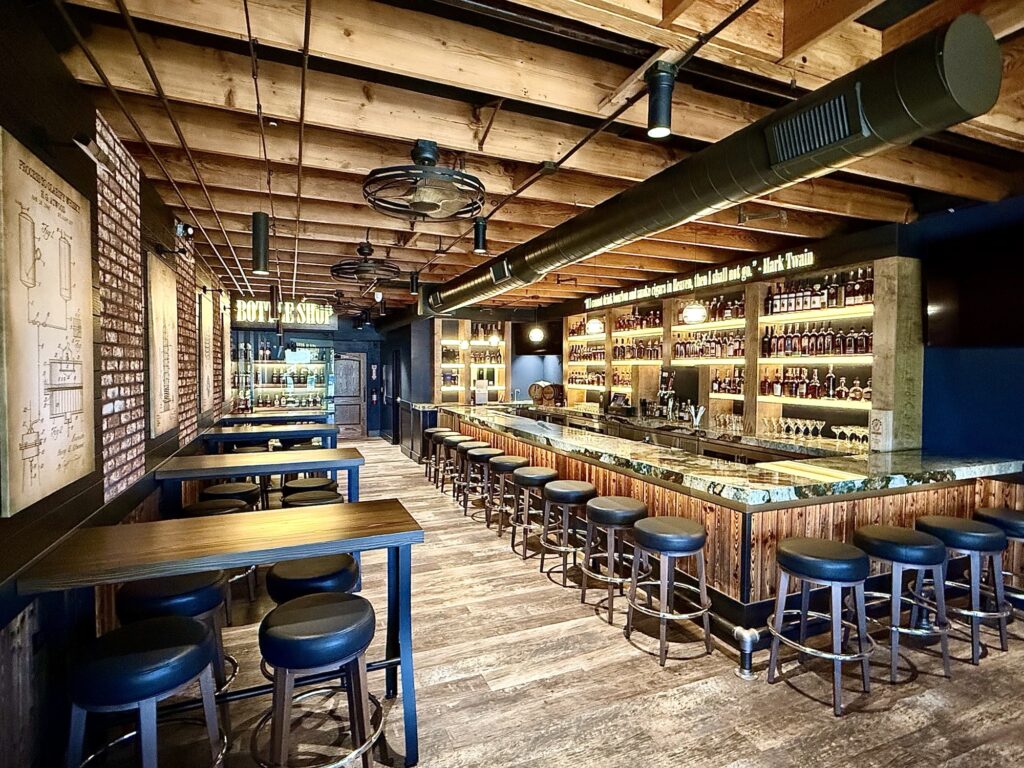
By Eric Butrull, Knife and Fork Media Group
Across the country, the hospitality industry continues to be a major economic powerhouse. As 2025 came to a close, the National Restaurant Association reported that restaurants alone added 150,000 jobs in 2025, and eating and drinking places added a net 27,200 in December (on a seasonally-adjusted basis, per the Bureau of Labor Statistics).
Most hospitality personnel — from owners to staff — know that operating a business in this industry is not for the faint of heart. Whether a bar, brewery or distillery, the hours can be long, fast-paced, stressful and exhausting. However, owning and operating a bar or restaurant can also be extremely fulfilling and rewarding.
Repeat customers of these types of establishments are often extremely loyal, finding solace and a “home away from home” at their favorite neighborhood bar or brewery. But there are some rather distinct differences in owning and operating a food service establishment and a bar, brewery or distillery, where liquor is the focus of sales.
Dennis Shaw, owner of Phoenix City Grille, a successful restaurant in Phoenix, Arizona, since 1997, and co-founder of the soon-to-be-opened Still & Barrel bourbon bar in Phoenix, Arizona, offers some insight, based on his more than four decades in the hospitality industry, working across restaurant and bar operations, in leadership and ownership positions.
“A liquor-focused bar is much more about curation, education and experience than volume. With a restaurant, food drives the visit; with a bourbon bar, the spirit selection and the story behind it are the draw,” said Shaw. “Inventory management is more complex, pricing strategy is critical and staff knowledge has to go much deeper. Every bottle has a purpose, and every pour should feel intentional.” Intention is key in any business, of course. However, Shaw notes that when it comes to bar businesses in particular, patience and relationships matter more than anything.
“Whether it’s securing rare bottles, navigating licensing or building the right team, nothing happens overnight,” he said. “I’ve also learned that guests today want authenticity — they want to know why a bottle is on the shelf and what makes it special.”
Still & Barrel’s General Manager Cliff Cragg, who has been in the hospitality industry for more than 20 years, echoed those sentiments.
When it comes to his takeaway while building Still & Barrel, he said: “I have learned that patience and relationships matter more than speed. Building a strong spirits program takes time, trust and consistency. There are no shortcuts.”
Prior to helping open Still & Barrel, Cragg previously operated a concept where he built the whiskey program from the ground up, which was recognized as one of the top whiskey programs in the United States by the time he left. Over the last few years, he has focused on building and managing spirits-forward beverage programs, barrel selections, and restaurant and bar operations.
One crucial factor to keep in mind is that today’s customers are knowledgeable and yet thirsty for more. Rather than simply ordering a fine spirit or rare wine, customers want to feel connected — to the establishment, to their experience and to the spirit itself. Providing them with knowledge or history about what the bottle holds can provide value for guests beyond what’s in the glass.
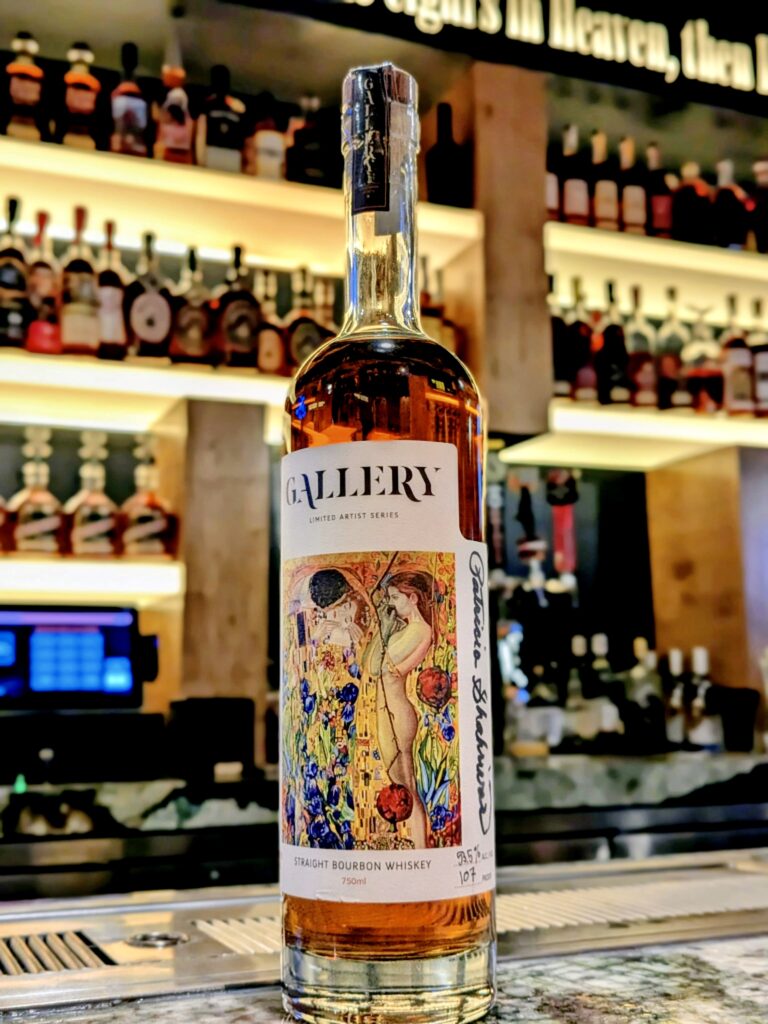
When opening a bar in today’s market, Cragg emphasized the importance of having a clear vision from the start — and remaining disciplined.
“Understand your costs and invest in your staff,” he said. “A great bottle does not mean much if the service and execution are not there.”
Knapp followed that advice up with his own: “Educate yourself relentlessly, invest in your staff’s knowledge and understand your market before you buy a single bottle. And be prepared: capital requirements, licensing timelines and inventory costs are often underestimated.”
It is of the utmost importance to ensure proper liquor licensing and air-tight insurance policies. Most knowledgeable, highly credible insurance brokers will advise bar and restaurant owners to work closely with an agent that is well-versed specifically in the language, the inclusions and more importantly, the exclusions that are often written into policies for establishments that serve alcohol.
One of the key differences that surprised Knapp during the process of opening Still & Barrel is how complex and restrictive liquor licensing and insurance can be, especially when dealing with high-value inventory.
“People are also surprised by how much capital is tied up on the shelves,” he said. “Some bottles sit for months or years, but they’re essential to the identity of the bar.”
Knapp encourages new bar owners not to chase trends but rather build a point of view. Upon developing the concept and the inventory for Still & Barrel, for example, Knapp said he largely relied on Cragg’s extensive knowledge of whiskey to build the brand’s inventory around balance — allocated and rare bourbons alongside exceptional everyday pours.
“We focused on producers with strong heritage, craftsmanship and consistency,” he said. “Some of the bottles we’re most proud of are those that are nearly impossible to find on-premise, paired with staff who can explain why they’re special, not just expensive.”
This explanation of importance or rarity, rather than price, further adds value to the product being sold and gives more meaning to the drinker.
For Cragg, that meant building the bar list at Still & Barrel with balance in mind, including approachable pours, premium options and a small number of truly special bottles.
“The ones I am most proud of are our private barrel selections because we tasted and chose them ourselves,” he said, adding, “They reflect what we actually like to drink.”
Offering rare and hard-to-find bottles gives a bar an edge. Offering something that not everyone has on their bar list makes it feel exclusive, even if the environment is as casual and welcoming as any other neighborhood bar on the block. Creating the proper connections in order to obtain those special pours is a key part of the business.
“Sourcing rare bottles is mostly relationship-driven. Allocations are earned through long-term support and trust with distributors and suppliers,” said Cragg. “Private barrels take time, travel and a lot of tasting before the right one is selected.”
Knapp agreed that long-term distributor relationships, purchase history and trust are essential.
“Allocations aren’t something you can buy your way into overnight — you earn them over time,” he said. “We stay engaged with distilleries, tastings and industry events, which helps us identify unique opportunities before they hit the broader market.”
This goes back to the idea of intention.
“In a liquor-focused concept, the bar is the point, not the support,” Cragg said. “The selection is tighter and more intentional. With fewer options, consistency and attention to detail matter even more than they do in a traditional restaurant.”
Ultimately, there are nuances with each individual establishment. However, overall success comes with putting hospitality first.
“Great bars and restaurants aren’t built on menus or bottles alone,” said Knapp. They’re built on people, consistency and attention to detail. If you get those things right, everything else follows.”
Cragg added, “I have learned that consistency and honesty go a long way. Trends change, but good hospitality, a well-run bar and a team that cares will always matter.”
Dennis Shaw took ownership of Phoenix City Grille (PCG), continuing the legacy that founder Sheldon Knapp built when he opened the restaurant in 1997, while elevating the guest experience through food, service and beverage programs. Shaw co-owns Still & Barrel with Knapp. He calls the opening a natural extension of that journey—taking everything they have learned at PCG and applying it to a more focused, spirit-driven concept.
Cliff Cragg is the general manager of Still & Barrel. He has more than 20 years of hospitality experience, previously operating a concept where he built the whiskey program from the ground up, which was recognized as one of the top whiskey programs in the United States by the time he left.

